


Troubleshooting: How to Prevent Breakage While Detangling Coily Hair During Winter Travel
Jan 19, 2026 | By Maria Eliza Pineda
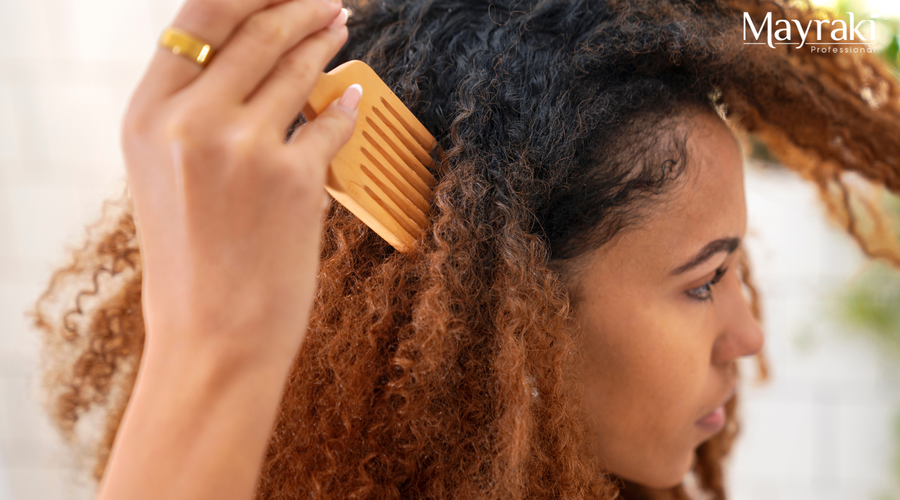
Winter is an especially brutal season for the hair, especially for those with coily or type 4 hair. It’s because the air becomes so dry and, in turn, also sucks the moisture out of the hair. Coily hair is already prone to dryness,s which is why it needs extra care during the winter season to prevent extreme tangles, brittleness, and dehydration.
Fear not, simple steps and strategies can be taken to prepare your hair for the winter cold. It doesn’t have to be complicated or expensive, and yet, your hair will definitely thank you for incorporating just a few extra things in your hair care routine.
Why Coily Hair Is More Prone to Breakage During Winter Travel
The structure of coily hair is made up of spiral and zigzag patterns. This makes it more prone to dryness because natural oils have a harder time traveling down from the scalp and penetrating the shaft. During winter, moisture levels drop further, mixed with other factors such as indoor heating and showering in hot water, which can make the hair very dry and brittle. The cuticle of the hair under these conditions can start to lift, which will produce frizz and make the hair vulnerable to damage.
Common Detangling Mistakes While Traveling
Detangling Without Slip
The curlier your hair is, the more difficult it will be to detangle, as the strands tend to be prone to dryness and the hair intertwines with each other naturally. With some people, the more tangled the hair is, the more force is used. However, this can be very damaging to the hair and will definitely cause breakage and hair loss.
Instead, use some slip when detangling. Use oil or a conditioner, and apply it liberally throughout the hair. This will lubricate the strands and make them much easier to detangle.
Ends to Roots
Another common mistake is brushing from the roots down to the tips. This is another method that will cause breakage and even more tangling. It will also take much longer to brush out your hair.
Detangle from ends to roots instead. Take your comb or brush and start brushing from the tips of your hair, and once the area has been detangled, go up gradually until you reach the roots of your hair and your scalp. This is the quickest, safest, and least painful way to detangle the hair.
A Hair Growth–Friendly Wash Routine for Coily Hair During Winter Travel
Pre-Wash Preparation to Soften the Coils
Before even wetting the hair, a pre-wash step is essential, especially in cold climates. Pre-washing helps soften tangles and provides initial slip, reducing resistance during detangling. This step prepares the hair for cleansing and minimizes friction that leads to snapping and breakage.
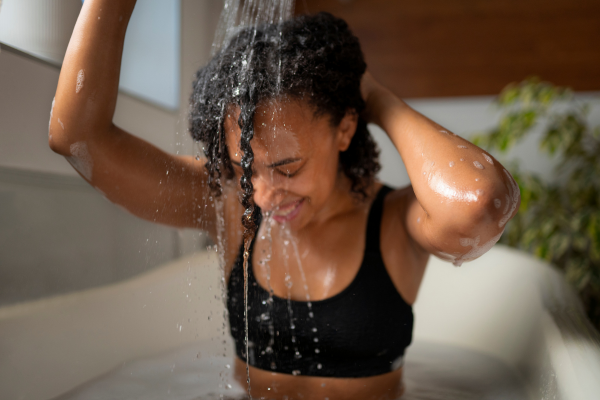
Gentle Cleansing That Doesn’t Strip Moisture
During winter travel, it’s important to avoid shampoos that are too harsh or stripping. It’s recommended that you avoid those shampoos and conditioners that your hotel provides you, as they are often low-quality and will not provide the nourishment that your hair needs. This is even more important to remember, especially when traveling to cold countries in winter,r because your hair needs more nourishment, not less.
This is where the Mayraki Hair Growth & Anti-Hair Loss Shampoo Kit becomes helpful. It is formulated to cleanse the scalp without removing the hair’s natural moisture. Because it’s designed to support hair growth, it helps maintain a healthy scalp while preventing excessive dryness,s which is an important factor for length retention.
Conditioning for Slip and Cuticle Protection
Conditioner is not optional for coily hair, especially during winter. It provides the slip needed to reduce friction while detangling. Of course, it also provides extra moisture that will protect your hair from the dry winter air.
Dry Shampoo is an Essential
It’s not recommended for type 4 hair to be washed often. It’s even more true during the cold or winter season. Frequent washing strips your hair of essential moisture. If you feel that your scalp or roots may be getting oily or weighed down, use a dry shampoo to refresh instead of washing your hair again.
Post-Wash Protection to Prevent Re-Tangling
Protective Styles
After wash day, the goal is to keep moisture locked into the hair. Proper sealing and low-manipulation styling help prevent tangles from forming again in cold weather. Protective styles such as loose twists or braids are ideal while traveling. They not only reduce re-tangling but also limit daily handling, which is a major cause of breakage.
Finishing Product
You can also use serums, oils, or leave-in conditioners to seal moisture in your hair. Apply these products after styling your hair to give it extra protection against the elements. This will also keep your hair moisturized and hydrated throughout the day.
Why Breakage Control Is Essential for Hair Growth
Hair growth is a cycle (growth, transition, resting, and shedding). It’s normal to lose hair during the shedding phase; however, shedding and breakage may happen during the growth phase. This is bad because the hair won’t have a chance to reach its final length. This will cause shorter, damaged hair and increased hair fall.
Avoid breakage and hair fall by taking extra care of your hair in colder weather. This will create a much better environment for your hair to grow.
The Cold Never Bothered Me Anyway
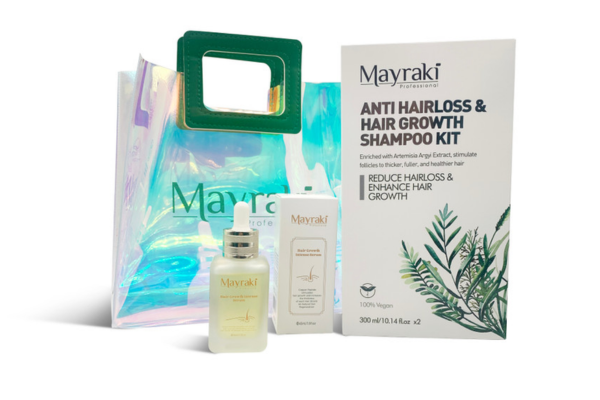
Winter travel doesn’t have to be the enemy of coily hair. With the right wash routine, careful detangling techniques, and hair growth–supportive products like the Mayraki Hair Growth & Anti-Hairloss Shampoo Kit, it’s possible to retain moisture, prevent breakage, and support continuous hair growth wherever you go. In the end, just remember that the secret to long hair isn’t using more products: it’s preventing damage, especially during detangling.