


The Science Behind Stress-Induced Graying: How Stress Affects Hair Pigmentation
Dec 01, 2025 | By Maria Eliza Pineda
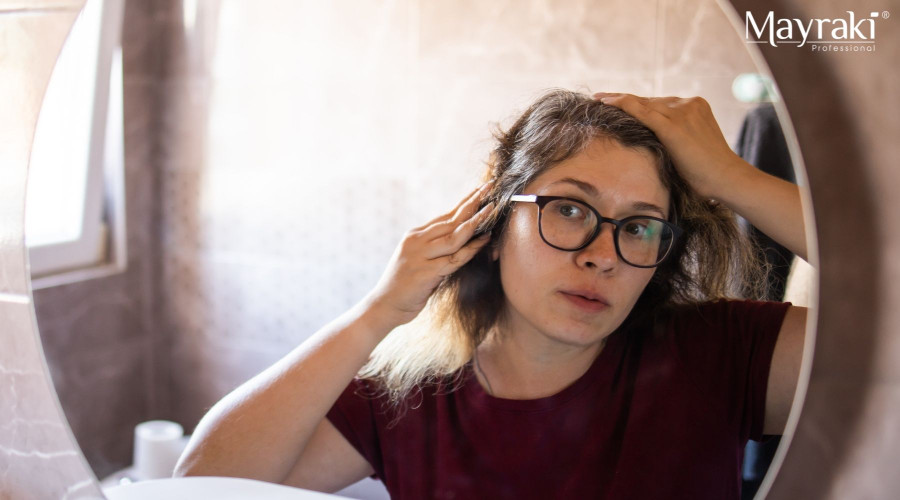
We’ve all heard the saying, “Stress can turn your hair gray,” but is there really any truth to it? According to modern research, there’s actually scientific evidence supporting this belief. Studies show that stress can accelerate pigment loss in hair through mechanisms linked to our nervous system and the cells responsible for producing color. Learn more about the science behind stress-induced graying and how you can prevent premature graying in this guide.
The Basics of Hair Color and Graying
The Role of Melanocytes and Melanocyte Stem Cells
Our hair gets its color from cells called melanocytes. Meanwhile, melanocyte stem cells are responsible for continuously producing new pigment cells as hair grows. When these stem cells are damaged or depleted, melanin production stops, which results in the appearance of white or gray hair.
How Hair Gets Its Color and What Happens with Aging
When we’re young, melanocytes actively produce melanin which the pigment responsible for shades of black, brown, or blonde depending on genetics. As we age, the ability of these cells to produce pigment gradually declines. Oxidative stress, nutrient deficiencies, and hormonal changes can accelerate this process and make the hair lose its natural color earlier than expected.
Normal vs. Premature Graying
Normal graying is a natural part of aging, typically beginning around age 30 and above. However, premature graying occurs when it starts before age 25 in Asians or before 20 in Caucasians. In such cases, stress, vitamin deficiencies, or genetic factors often play a stronger role in the early onset of gray hair.
Stress and the Role of the Sympathetic Nervous System
The Fight-or-Flight Response and Nerve Activation in Follicles
When we’re under stress, the body’s sympathetic nervous system activates the fight-or-flight response. This leads to the release of stress hormones like norepinephrine, which reach the nerves surrounding hair follicles. This heightened neural activity can alter the hair follicle microenvironment and impact pigment-producing cells.
Release of Norepinephrine in the Follicular Niche
Norepinephrine directly affects melanocyte stem cells by forcing them to mature and differentiate earlier than they should. Once this happens, these stem cells leave their niche and the area in the follicle where they are meant to stay for pigment regeneration in future hair growth cycles.
Premature Differentiation and Migration of Melanocyte Stem Cells
When stem cells are pushed out of their niche prematurely, their population gradually depletes. Without these reserve cells, the follicles can no longer produce new pigment, leading to gray or white strands in future hair growth. In short, chronic stress speeds up the exhaustion of pigment-producing stem cells.
Oxidative Stress and Cellular Damage
Reactive Oxygen Species (ROS) and Free Radicals
Another mechanism tied to stress-induced gray hair is oxidative stress. Under chronic stress, the body produces excessive reactive oxygen species (ROS), commonly known as free radicals. These unstable molecules damage the DNA and proteins within follicle cells, impairing their ability to produce pigment effectively.
Mitochondrial Dysfunction, DNA Damage, and Aging Pathways
Excess oxidative stress also harms the mitochondria which is the energy source of cells. When mitochondria become weak, energy production declines, slowing melanin synthesis. Over time, this leads to DNA damage and accelerates the aging of hair follicles, making pigment loss more likely.
Decreased Antioxidant Enzyme Activity
When natural antioxidant enzymes such as catalase and superoxide dismutase drop in activity, hydrogen peroxide builds up inside the follicle. This compound can chemically bleach the hair from within, making it appear gray or white even before new growth occurs.
Evidence from Human Studies and Pigment Reversal Possibility

Hair Mapping and Human Studies
Recent research has shown that individual strands of hair can serve as a timeline of a person’s stress history. Through hair mapping, scientists observed correlations between periods of intense stress and sudden graying of certain hair segments, offering visual evidence of stress’s biological impact on pigmentation.
Limitations in Human Research
Although these findings are fascinating, the evidence remains limited, as proving a direct cause-and-effect link between stress and graying is complex. Often, stress interacts with other variables such as age, diet, and overall health, making it just one piece of a much larger biological puzzle.
Cases of Pigment Regaining After Stress Reduction
There are rare cases where hair regained its natural color after stress levels decreased. This suggests that the body may restore pigment production if melanocyte stem cells haven’t been completely depleted. However, such reversals are uncommon and are usually observed in younger individuals or in early stages of graying.
Stress as an Accelerator, Not the Main Cause
Genetic Predisposition and Chronological Aging
The main cause of hair graying remains genetics and the natural aging process. Some people are genetically predisposed to lose pigment earlier than others. Stress, in these cases, acts more as an accelerator that speeds up what’s already programmed in one’s DNA.
Environmental, Nutritional, and Metabolic Factors
Aside from genes and age, environmental exposure, diet, and metabolic health significantly influence hair pigmentation. Deficiencies in vitamins like B12, folate, or iron can accelerate graying. Meanwhile, pollution and UV exposure increase oxidative stress, damaging the follicle and hastening pigment loss.
How Stress Fits into the Multifactorial Model
In summary, stress is part of a multifactorial model of graying. When combined with oxidative damage, genetics, and lifestyle factors, it increases the likelihood of premature pigment loss. Thus, maintaining a holistic approach like balancing physical, emotional, and nutritional wellness is key to preserving natural hair color.
Implications for Anti-Grey Hair Treatments
Treatments Targeting Stress-Related Pathways
Products that contain antioxidants and neuroprotective ingredients may help counteract stress-related effects on the hair. Formulations using natural plant extracts, vitamins, and peptides aim to slow melanocyte stem cell depletion and strengthen follicle health.
Limitations of Current Treatments
Even with scientific advancements, no current product can regenerate lost stem cells. Most anti-gray treatments function as preventive solutions, helping protect existing pigment cells rather than completely reversing graying.
The Role of Lifestyle and Stress Management
Alongside treatments, a stress-free and balanced lifestyle remains essential. Adequate sleep, regular exercise, and relaxation practices help regulate stress hormones, reduce oxidative burden, and promote healthier hair pigmentation over time.
Practical Ways to Protect Hair from Stress
Managing Stress
Regular exercise, meditation, and mindfulness practices can reduce stress hormones such as cortisol and norepinephrine. Beyond overall well-being, these habits also have direct benefits for maintaining healthier, more vibrant hair.
Nutrition and Supplements
Eating antioxidant-rich foods such as fruits, vegetables, and nuts can protect cells from oxidative damage. Nutrients like vitamin C, E, selenium, and B vitamins (especially B7 and B12) support melanin synthesis and strengthen hair follicles. Protein and omega-3 fatty acids further enhance scalp circulation and hair resilience.
Proper Scalp Care
Using gentle, natural-based hair products helps prevent additional oxidative damage. Haircare lines like Mayraki Professional are designed to maintain a balanced scalp microenvironment while supporting strong pigment production and follicle integrity.
Protection from Environmental Stressors
Excessive sun exposure, pollution, and harsh chemicals can increase oxidative stress on hair. Wearing hats, applying UV-protectant serums, and regularly cleansing the scalp can help preserve the natural pigment and health of the follicles.
The Science of Gray
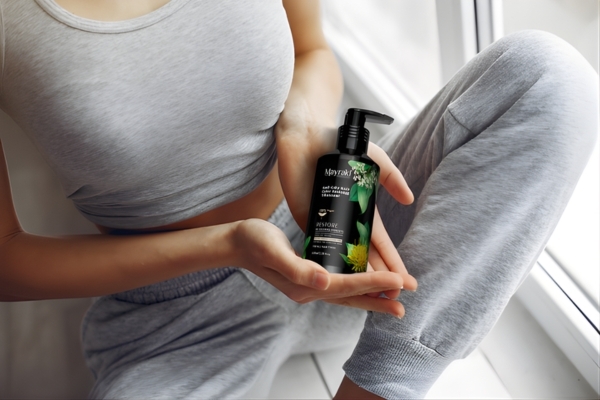
Science confirms that stress can indeed speed up the graying process through sympathetic nervous system activation, melanocyte stem cell depletion, and oxidative stress. However, it’s only one part of a much broader picture involving genetics, aging, and environmental factors. With the right knowledge, balanced habits, and products such as Mayraki Anti-Grey Hair Color Restoring Treatment, you can help slow down the effects of stress and keep your hair looking naturally vibrant for longer.