


Stop Greasy Roots & Keep Fine Hair Shiny
May 06, 2026 | By Maria Eliza Penida

Routine: Maintain Shine Without Greasiness for Fine Hair
Fine hair has a thinner strand diameter compared to other hair types, which causes it to fall flat more easily and lose volume. Because each strand is finer, natural oils from the scalp travel down the hair shaft more quickly. This is why fine hair can appear oily even just a few hours after washing. Understanding your hair type is key to choosing the right products and techniques.
Oil transfer happens more quickly in fine hair because there is less resistance along the strands. When natural sebum is not properly managed, it quickly accumulates at the roots and creates a greasy appearance. As a result, fine hair requires gentle cleansing and lightweight care. Maintaining balance between cleansing and conditioning is essential to avoid excess oil production.
Challenges of Color-Treated Fine Hair
Color-treated fine hair is more sensitive and prone to losing shine. Chemical treatments can leave the hair drier at the ends, while the roots may still become oily. Because of this imbalance, routines must be adjusted to maintain both vibrancy and hydration without adding weight. Heavy products should be avoided as they can easily lead to buildup.
During spring, humidity levels rise, and weather conditions fluctuate, affecting hair texture. Higher humidity can cause frizz and limpness, especially in fine hair. At the same time, oil and product buildup can accumulate more quickly if the routine is not adjusted. Adapting your hair care approach to seasonal changes is therefore important.
Key Principles of a Non-Greasy Shine Routine
Focus on Lightweight Hydration Over Heavy Moisture
Fine hair benefits more from lightweight hydration than from heavy creams or rich treatments. Heavy products can weigh the hair down and make it appear greasy. Lightweight, fast-absorbing formulations provide shine without leaving residue, helping maintain the hair’s natural movement and freshness.
Balance Scalp Oil Without Over-Stripping
Natural scalp oils should not be completely removed, as they serve a protective function. Over-stripping oils can cause the scalp to produce even more sebum as compensation and make the hair greasy. Using gentle, sulfate-free cleansers helps maintain balance, which is key to a healthy scalp and controlled oil production.
Use Minimal Products to Prevent Buildup
Using too many products can lead to buildup, especially for fine hair that is easily weighed down. Even small amounts of heavy products can accumulate over time and create a dull appearance and limp roots. A minimalist approach to hair care is more effective, and simple routines are easier to maintain and keep the hair feeling light. Use small amounts of the right products to avoid heavy buildup and maintain volume and freshness.
Apply Oils and Serums Strategically
Oils and serums should be applied only to the mid-lengths and ends of the hair. These are the driest and most damaged parts of the hair. Avoid applying them to the scalp to prevent greasiness at the roots. Proper placement allows you to achieve shine and nourishment without sacrificing volume.
Maintain Consistency Instead of Layering Products
A consistent routine is more effective than frequently switching or layering multiple products. Excess layering can lead to buildup and imbalance in hair texture, and inconsistent use of products will lessen their effectiveness. Rather than interchange multiple products, be consistent with the products that you like. This will help you achieve overall better results.
Pre-Wash Prep
Gentle Detangling to Evenly Distribute Natural Oils
Gentle detangling before washing helps distribute natural scalp oils along the strands. This improves overall texture and provides light conditioning to the ends. Use a wide-tooth comb or fingers to minimize breakage and detangle from the ends up. Proper detangling prepares the hair for more effective cleansing.
Optional Lightweight Oil Pre-Treatment for Ends
Applying a small amount of lightweight oil to the ends before shampooing can help protect them from dryness. Focus on the mid-lengths and ends rather than the scalp to avoid greasiness. Lightweight oils absorb easily and do not weigh the hair down. This helps maintain softness while protecting the ends.
Avoid Heavy Masks That Can Weigh Hair Down
Using heavy masks before washing can weigh fine hair down. Even after rinsing, heavy products may leave residue behind. Lightweight alternatives are better suited for pre-wash care. This helps maintain volume and freshness.
Scalp Stimulation Before Washing
A gentle scalp massage before washing helps stimulate blood circulation. This can be done using fingertips in circular motions. It also helps loosen buildup on the scalp for more effective cleansing.
Sectioning Hair for Better Product Application
Sectioning the hair helps ensure even product application. Shampoo and treatments are distributed more effectively across all areas. This is especially important for fine hair, which can easily be unevenly coated, which could result in oversaturation in some parts and a lack of product in others. Sectioning ensures that the product is applied evenly throughout your hair.
Washing Routine
Determining the Right Wash Frequency for Fine Hair
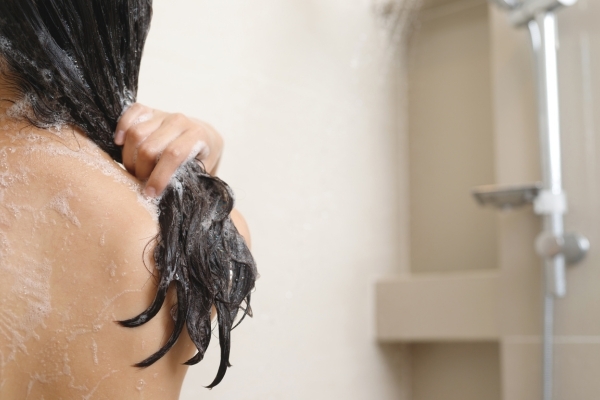
Fine hair may require more frequent washing compared to thicker hair types due to faster oil accumulation. However, over-washing should still be avoided to prevent dryness. The ideal frequency depends on lifestyle, scalp condition, and weather.
Focusing Shampoo on the Scalp, Not the Ends
Shampoo should be applied mainly to the scalp, where oil and buildup occur. The strands and ends of your hair tend to be drier and prone to damage, and oil doesn’t really get onto the lengths of the hair and often stays at the roots. The ends and strands are sufficiently cleansed when shampoo runs through it as you rinse.
Double Cleansing to Remove Buildup
Double cleansing helps remove dirt, oil, and product buildup more thoroughly. The first wash removes surface impurities. The second wash deeply cleanses the scalp. This method provides a lot more volume and keeps your hair fresher for longer.
Using Lukewarm Water to Protect Natural Oils
Lukewarm water is gentler on the hair and scalp compared to hot water. It helps preserve natural oils and prevents dryness. Extremely hot water can cause irritation and disrupt oil balance, leading to dry hair and oily roots. A cold water rinse is also great for sealing in moisture and enhancing shine. For long showers, lukewarm water for the hair and a cold water rinse at the end is best.
Thorough Rinsing to Prevent Residue
Proper rinsing is essential to avoid product residue on the hair. Even small amounts of leftover product can cause greasiness and dullness, and not to mention, dandruff. Make sure all shampoo and conditioner are completely washed out for a clean, lightweight finish.
Conditioning
Applying Conditioner Only on Mid-Lengths and Ends
Conditioner should only be applied to the mid-lengths and ends. The scalp provides sufficient oil for the roots and cannot be weighed down with any additional products. The ends and lengths of your hair, however, require more hydration. This method is ideal for volumized roots and shiny locks.
Using the Right Amount to Avoid Heaviness
Using the correct amount of conditioner is important for fine hair. It’s very easy to apply too much product and make the hair look flat and oily. A small, controlled amount distributed evenly is sufficient. This provides hydration without weighing the hair down.
Timing Conditioner Properly
Conditioner should be left on the hair for the recommended time. Leaving it on too long may lead to buildup, and leaving it on for too little time lessens its effects. Proper timing ensures optimal hydration and smoothness.
Thorough Rinsing for a Lightweight Finish
Thorough rinsing is necessary to remove all conditioner residue. Leftover product can weigh the hair down and cause undesired flakes and irritation. Ensure there is no slippery feel after rinsing.
Choosing Lightweight, Color-Safe Formulas
Lightweight, color-safe conditioners are ideal for treated hair. They help maintain color vibrancy while providing moisture. Avoid heavy formulations that may cause buildup. The right product balances care and protection.
Post-Wash Care
Gentle Towel Drying Techniques
Gentle towel drying helps prevent frizz and breakage. Avoid rubbing the hair vigorously with a towel. Instead, use a blotting technique to remove excess water. Microfiber towels are also ideal, rather than terrycloth, for more absorbency and less friction.
Avoiding Friction to Prevent Frizz and Breakage
Friction is a major cause of hair damage. Rough handling can make fine hair more prone to breakage. Use soft materials and gentle motions when handling hair. This helps maintain smoothness and shine.
Air Drying vs. Low-Heat Blow Drying
Air drying is gentler but may take longer. Low-heat blow drying can help add volume when used correctly. Avoid high heat to prevent damage. A combination of both methods can be used depending on preference.
Using Heat Protectants Before Styling
Heat protectants are essential before using heat styling tools. They help protect the hair from thermal damage. They also reduce the risk of dryness and split ends. Be sure to apply heat protectant before every styling session.
Detangling with Minimal Stress on Strands
Detangling should be done gently to avoid breakage. Use a wide-tooth comb or detangling brush. Start from the ends and work upward toward the roots. This minimizes stress on the strands, makes things easier, and less painful.
Lightweight Styling Routine
Using Minimal Styling Products
Using minimal styling products helps prevent buildup. Fine hair can easily become weighed down by even small amounts of product. Choose lightweight, non-greasy formulas to maintain natural shine and movement.
Creating Volume at the Roots
Fine hair is most prone to being weighed down, so creating volume at the roots is important. Blow-drying techniques or root-lifting products can help, as well as keeping things lightweight and clean at the scalp.
Blow-Drying Techniques for Lift
Proper blow-drying techniques can add volume to the hair. Using a round brush helps lift the roots. Direct airflow upward for better results. This creates a more voluminous hairstyle.
Avoiding Product Overloading
Using too many styling products can lead to greasiness. Even lightweight products can build up if overused; controlled application is important. Keep things minimal and strategic to achieve a clean and voluminous appearance.
Refreshing Hair Between Washes
Refreshing the hair between washes helps maintain cleanliness. Dry shampoo or light mist can be used, but avoid reapplying heavy products. However, this is for quick fixes only. Dry shampoo only works well after about 2 applications. After that, it may leave heavy residue and be less effective at absorbing excess oil.
Ingredients to Look For
Lightweight Oils
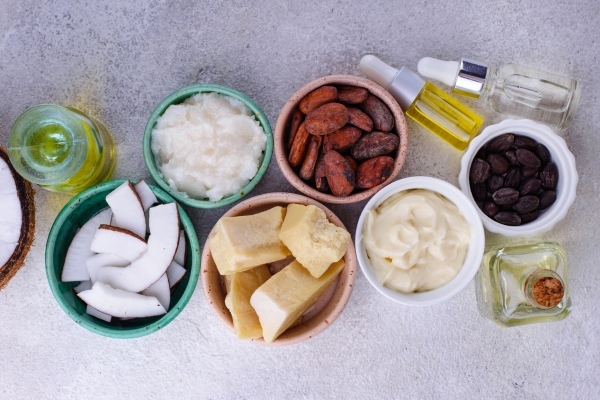
Lightweight oils like argan and jojoba absorb easily into the hair, which makes them ideal for fine hair. They provide natural shine without a greasy feel, and small amounts are sufficient for hydration and shine.
Humectants
Humectants help attract moisture from the environment, and they maintain hydration in the hair strands. Examples include glycerin and similar ingredients. You can find these in serums, leave-in conditioners, shampoos, and normal conditioners.
Panthenol
Panthenol is known for improving hair texture and helps enhance shine and smoothness. It also provides conditioning benefits without heaviness.
Antioxidants
Antioxidants help protect color-treated hair from damage. They combat environmental stressors and keep the hair young and clean. This helps maintain color vibrancy. As a result, the color lasts longer.
UV-Protective Ingredients
UV-protective ingredients are important during spring. They help shield hair from sun damage. UV exposure can cause dryness and fading. Protection helps maintain hair health and color.
Ingredients to Avoid
Heavy Silicones That Cause Buildup
Heavy silicones can build up on fine hair. While they add shine, they can also coat the strands. Over time, this leads to dullness. Lighter alternatives are preferable, especially for fine hair.
Mineral Oil and Thick Occlusives
Mineral oil and thick occlusives can weigh hair down. They are difficult to wash out and leave residue. This results in a greasy appearance. Avoid these for fine hair.
High-Concentration Butters
Heavy butters like shea butter may be too rich for fine hair. They can cause limpness and heaviness. Lighter formulations are more suitable. These help maintain volume.
Harsh Sulfates That Strip Color and Oils
Harsh sulfates can strip natural oils and hair color. This leads to dryness and fading. Gentle cleansers are better for color-treated hair. They help maintain hair health and vibrancy.
Protein Overload for Fine Hair
Excess protein can make hair stiff and brittle. Fine hair is especially sensitive to protein-heavy products. A balance between protein and moisture is necessary. This helps prevent damage.
Common Mistakes to Avoid
Overusing Oils or Serums
Using too much oil can make hair greasy. Even lightweight oils should be applied in moderation. Excess product leads to buildup. Proper dosage is key.
Applying Products to the Scalp Unnecessarily
Applying styling products to the scalp can cause oiliness. The scalp does not require heavy products. Focus on the strands instead. This helps maintain clean roots.
Skipping Regular Cleansing
Not cleansing regularly leads to the buildup of oil and products. This results in dull and heavy hair. Consistent cleansing is essential. It keeps the hair fresh and healthy.
Layering Too Many Products
Layering too many products can overload the hair. Fine hair cannot handle excessive formulations. A simple routine is more effective. This keeps the hair light and manageable.
Overwashing Hair and Triggering Excess Oil Production
Overwashing can trigger increased oil production from the scalp. The scalp compensates by producing more sebum. Finding the right balance is important. This supports long-term scalp health.
Spring Hair Care Tips
Adjust Washing Frequency for Humidity
During spring, washing frequency may need adjustment. Humidity affects oil production and hair texture. Fine hair may require more frequent cleansing. Balance is still important to avoid dryness.
Protect Hair from UV Damage
UV rays can damage hair and affect color. They contribute to dryness and fading. Using UV-protective products is important. This helps maintain vibrancy and strength.
Use Lightweight Hydration Instead of Heavy Treatments
In warmer, humid weather, lightweight hydration is more suitable. Heavy treatments can weigh hair down. Lightweight formulas provide comfort and manageability. This is ideal for spring care.
Control Frizz in Warmer Weather
Frizz is common in humid conditions. Anti-frizz lightweight products can help manage it. Avoid overloading styling products. This results in a smoother appearance.
Refresh Hair Between Washes Without Buildup
Refreshing hair helps maintain cleanliness between washes. Dry shampoo or light mists can be used. Avoid heavy product reapplication. This preserves freshness and volume.
Maintain a Consistent Seasonal Routine
Consistency is key to effective hair care. Adjusting routines based on the season is important. In spring, focus on lightweight and balanced hydration. This supports long-term shine and manageability.
The Mayraki Anti-Grey Restoring Treatment for Color Preservation
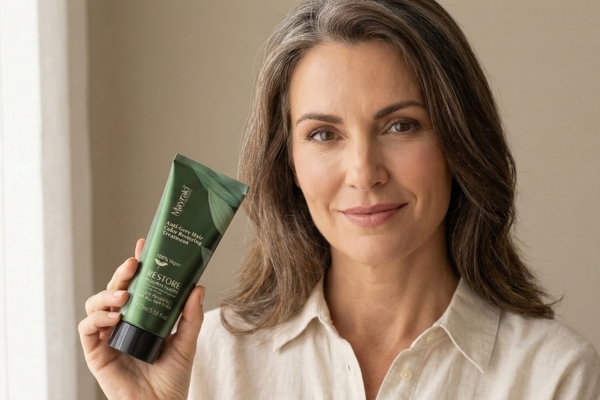
To support lightweight shine and color-restoring care, you can incorporate the Mayraki Anti Grey Restoring Treatment into your routine. It is designed to provide nourishment and shine without weighing the hair down. It restores the vibrancy of your natural hair color and its weightless formula helps maintain natural volume while supporting hair color vibrancy. It also helps improve the overall appearance of color-treated fine hair while avoiding greasiness.
It’s a Careful balance.
Maintaining shine without greasiness for fine hair requires a careful balance of lightweight hydration, gentle cleansing, and strategic product use. By following a consistent routine tailored to your hair type and seasonal conditions, you can achieve healthy-looking, vibrant hair without buildup.
Using the right products, such as the Mayraki Anti-Grey Restoring Treatment, can further enhance shine while supporting color restoration. Ultimately, simplicity, consistency, and proper technique are the keys to keeping fine hair fresh, shiny, and non-greasy throughout the spring season.