


Steps for Repairing Over-Processed Hair
Jan 14, 2026 | By Edss Tolentino
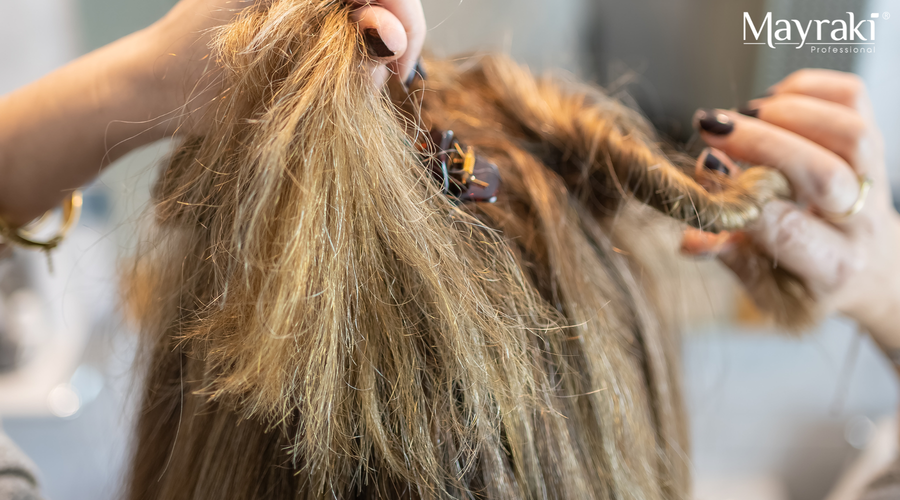
Over-processed hair is what happens when your strands have been pushed past their comfort zone. For example, repeated bleaching, constant coloring, chemical perms, or daily heat styling strip away natural moisture and weaken the hair’s structure. The result is often dryness, dullness, and hair that feels more fragile than flexible.
While there’s no overnight fix, the good news is that repairing over-processed hair is absolutely possible with patience and the right natural approach. By focusing on gentle routines, nourishing ingredients, and consistent care, you can gradually rebuild strength and bring your hair back to a healthier state.
Signs Your Hair Is Over-Processed
Recognizing the early signs of over-processed hair is the first step in fixing over-processed hair and building a smarter and healthier recovery plan.
-
Excessive Dryness and Dullness
When natural oils are stripped away, hair loses its shine and feels constantly dry, even after washing. This is a strong signal that your strands need targeted moisture repair for dry hair and intensive hydration.
-
Rough and Straw-like Texture
Hair that feels coarse or stretches excessively before snapping points to weakened internal bonds. This often calls for a balanced damaged hair treatment. For example, combine hydration with a gentle protein treatment for damaged hair to rebuild strength.
-
Split ends and Persistent Frizz
Over-processing damages the hair's outer layer, making repairing hair cuticles essential. Without this protection, strands break easily,y and frizz becomes hard to control even in low humidity.
-
Loss of Elasticity
If curls fall flat or styles won’t last, your hair structure may be compromised. A consistent hair repair routine focused on deep conditioning for damaged hair can help restore flexibility and manageability.
-
Tangling or Increased Shedding
Damaged cuticles cause strands to snag and knot, which leads to more breakage during brushing. This is especially common in hair care after bleaching or coloring. Moreover, hair, when weakened, needs extra care to prevent further hair damage.
Why Does Hair Become Over-Processed?
-
Frequent Chemical Treatments
Dyeing, perming, straightening, and relaxing repeatedly weaken the hair’s internal bonds. Without proper hair care after bleaching or coloring, strands lose strength and struggle with chemical damage recovery, making hair elasticity restoration a major challenge.
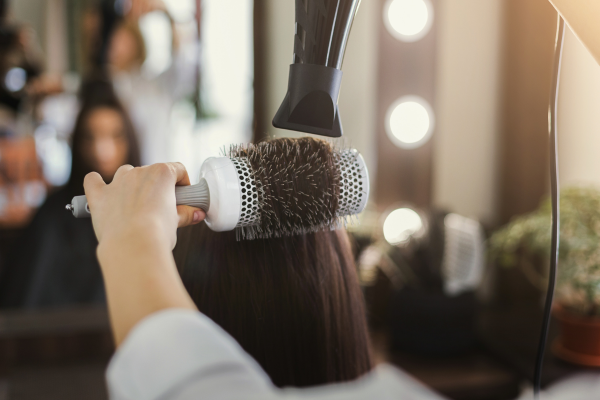
1. Too Much Heat Styling
Flat irons, curling wands, and blow dryers can dry out hair cuticles when used too often. Without heat styling damage control, heat depletes moisture, disrupts keratin and protein balance, and increases breakage.
2. Harsh Shampoos
Cleansers with sulfates or strong detergents remove the scalp’s natural oils that lead to poor scalp and hair hydration. This dryness makes moisture repair for dry hair essential and weakens the hair’s ability to protect itself.
3. Poor Moisture Balance
Washing too frequently or skipping hydration altogether causes uneven hair porosity repair needs. Hair becomes either overly absorbent or resistant to moisture. As a result, it interferes with hair cuticle sealing and leads to frizz and split ends.
4. Lack of Repair Care
Skipping deep conditioning for damaged hair, avoiding a protein treatment for damaged hair, or neglecting leave-in repair treatments leaves strands exposed. Without a consistent hair repair routine, it becomes harder to strengthen hair or support split-end prevention.
Repairing Over-Processed Hair
If you’re wondering how to fix over-processed hair, this practical, encouraging approach focuses on long-term natural hair restoration while helping you prevent further hair damage.
-
Stop Further Damage
Before repair can begin, ongoing stress must stop. Pause bleaching, coloring, perming, or relaxing to support chemical damage recovery. Then, minimize heat tools and practice heat styling damage control. Switch to sulfate-free shampoos that support scalp and hair hydration. Additionally, use a microfiber towel or air-dry to reduce friction and breakage.
-
Deep Condition Regularly
Moisture is essential for softening and strengthening fragile strands. Practice deep conditioning for damaged hair at least twice weekly. It's better to use a strengthening hair mask with shea butter, argan oil, or ceramides. Focus on moisture repair for dry hair to improve manageability and shine. Consistent hydration also supports hair porosity repair and smoother texture.
-
Protein Treatments
Use a protein treatment for damaged hair to improve hair elasticity restoration. Moreover, maintain healthy keratin and protein balance by alternating protein and moisture. Avoid overusing protein that can make hair brittle instead of strong. This step is crucial for repairing hair cuticles and restoring resilience.
-
Apply Leave-In and Hair Oils
Daily protection helps seal in your repair work. Apply leave-in repair treatments to strengthen and hydrate throughout the day. Use lightweight oils to support hair cuticle sealing. Concentrate on mid-lengths and ends for frizz control and split-end prevention.
-
Trim Ends Regularly
Trim every 8–10 weeks to remove breakage and prevent splits from traveling upward. Regular trims support long-term hair care after bleaching or coloring. Think of trims as part of your overall hair repair routine.
-
Protect from Future Damage
Prevention is just as important as repair. Always use a heat protectant for styling and limit flat ironing and high-temperature tools. Shield hair from UV rays and pollution with serums, hats, or scarves. Protective habits lock in progress and support lasting natural hair restoration.
Natural Hair Restoration
These natural powerhouses support natural hair restoration by replenishing moisture, strengthening structure, and protecting fragile strands.
-
Argan Oil
Argan oil delivers essential fatty acids that support moisture repair for dry hair while smoothing rough texture. It helps repair hair cuticles, making hair appear shinier, softer, and less frizzy.
-
Coconut Oil
Unlike many oils, coconut oil penetrates the hair shaft, reducing protein loss and dryness. It’s especially beneficial in hair care after bleaching or coloring. It is ideal for strands that need deeper nourishment and protection.
-
Keratin and Proteins
Keratin-based formulas act as a targeted protein treatment for damaged hair. It fills in weak spots and improves flexibility. When used in moderation, they help reinforce hair structure without compromising softness.
-
Aloe Vera
Aloe vera soothes the scalp while delivering lightweight hydration to the hair. It supports deep conditioning for damaged hair and creates a healthier environment for recovery. It is ideal if dryness or irritation is present.
-
Shea Butter
Shea butter seals in moisture and shields hair from environmental stress. It’s particularly effective at reducing breakage and helping prevent further hair damage when hair feels fragile or overworked.
-
Avocado Oil
Rich in vitamins A, D, and E, avocado oil enhances elasticity and smoothness. It works well in masks and leave-ins to improve overall texture and resilience during natural hair restoration.
Hair Repair Routine
A thoughtful hair repair routine is the most reliable way to support chemical damage recovery and learn how to fix over-processed hair without causing new stress. These simple, repeatable steps encourage natural hair restoration while protecting fragile strands.
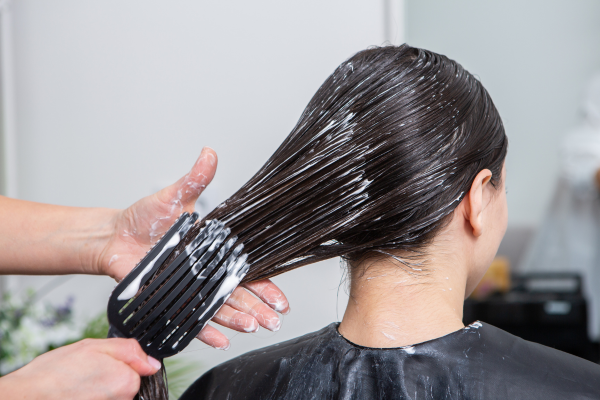
1. Moisture and Protein Treatments
Balance is everything when hair is compromised. Rotate deep conditioning for damaged hair with a protein treatment for damaged hair to support keratin and protein balance, improve strength, and encourage hair elasticity restoration without stiffness.
2. The Right Tools
Avoid harsh brushing, especially when hair is wet and vulnerable. Use wide-tooth combs to reduce breakage and help prevent split ends as hair regains resilience.
3. Reduce Friction
Switching to a silk or satin pillowcase minimizes nighttime stress on fragile strands. Less friction supports hair cuticle sealing and helps prevent further hair damage while you rest.
4. Proper Nutrition
A diet rich in protein, zinc, and biotin aids scalp and hair hydration. It strengthens new growth and complements any external damaged hair treatment.
5. Control Heat Exposure
Practice heat styling damage control by limiting hot tools and always using protection. This step is critical for preserving progress and preventing setbacks during recovery.
Wrap-up
Repair doesn’t happen overnight, but repairing over-processed hair is absolutely achievable with the right mindset and consistent care. When hydration, nourishment, and gentle handling become part of your daily routine, even the most stressed strands can gradually regain strength. Committing to a long-term repair approach leads to visible, lasting improvement.
Recovery becomes both achievable and healthier for your strands with Hair Mayraki's damaged repair products. It focuses on natural, effective, and sustainable solutions for damaged hair. Explore Hair Mayraki’s natural damaged hair treatments to support real repair.
Feel free to share your own hair recovery experiences or favorite natural remedies. For deeper care, consider exploring related blogs on moisture retention and hair strengthening to keep your hair resilient and thriving.