


Mistakes to Avoid to Make Results Last Longer Protein Reconstructive Treatment
Apr 18, 2026 | By Eds Tolentino
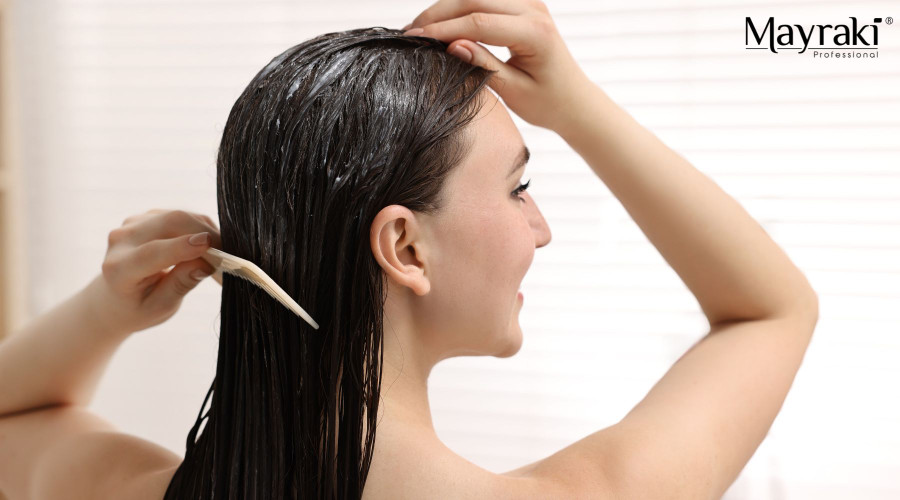
Many beginners start a repair routine expecting instant and long-lasting transformation, only to feel disappointed when the results fade after a few washes. In reality, stronger and healthier hair is built through consistent care and the right balance of moisture and strength. Learning how to make results last longer for protein reconstructive treatment is not just about applying a product. It's about supporting the hair structure, avoiding common routine mistakes, and protecting strands from new damage. This guide breaks down the most common beginner errors, especially during the spring season. Also, we’ll discuss some simple adjustments that help maintain smoother, stronger, and more resilient locks for longer.
Common Mistakes That Shorten Repair Results
A well-structured protein hair repair routine should strengthen strands while maintaining balance. Understanding these common mistakes can help you build a smarter hair repair routine for beginners and achieve long-lasting hair repair results.
1. Overusing Protein Treatments
Protein treatments are effective products for repairing weakened strands. But too much protein can actually make hair stiff and fragile. Excess protein can overload the hair structure and reduce flexibility. Our hair needs a balance between protein and moisture to stay strong yet flexible. Protein overuse may lead to brittle strands instead of helping strengthen weak hair strands. It is crucial to have a healthy beginner hair strengthening routine that typically spaces treatments out rather than applying them too frequently.
2. Ignoring Moisture After Protein Repair
Protein rebuilds the hair structure, but hydration keeps that structure flexible and resilient. Moisture is vital to help smooth the hair cuticle after strengthening treatments. Without hydration, strands can become dry and prone to snapping. Combining repair with conditioning helps improve hair elasticity treatment results. Additionally, moisturizing products help maintain a healthy routine for stronger hair. In any spring hair repair routine, adding moisture after protein treatments helps lock in softness and manageability.
3. Using Harsh Styling Tools Too Soon
Freshly repaired hair is stronger, but it still needs time to stabilize. High heat from styling tools can reopen the cuticle and reverse repair progress. Flat irons, curling wands, and aggressive blow-drying can weaken strands. It’s better to allow your locks to recover before heat styling. In that way, it helps preserve long-lasting hair repair results.
4. Inconsistent Hair Care Routine
Repair treatments work best when they are part of a consistent routine rather than occasional fixes. When you skip a single care step, it interrupts the hair’s recovery process. Remember that a stable hair repair routine for beginners encourages healthier growth over time. It’s important to follow a structured routine for stronger hair that helps maintain visible improvement.
5. Using Heavy Products That Weigh Hair Down
Not all products support repaired hair. Heavy formulas can block the benefits of strengthening treatments. For example, thick products may create buildup on the scalp and strands. Moreover, product buildup prevents nutrients from penetrating the hair shaft. Hair may feel greasy, dull, or lifeless despite undergoing a hair damage repair treatment. It’s crucial to understand that lightweight formulas support a balanced spring hair repair routine.
Beginner Hair Strengthening Routine
What beginners need most is a simple system that focuses on balance, consistency, and gentle care. A well-planned beginner hair strengthening routine supports damaged hair repair, encourages hair cuticle strengthening, and helps rebuild weakened strands over time. When done consistently, these habits create structural hair support that helps maintain smoother and stronger strands.
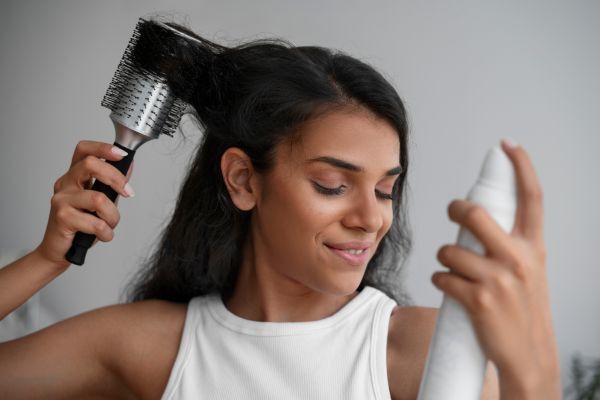
Maintain Hydration
Moisture is essential for flexibility and durability in the hair fiber. It helps improve hair elasticity treatment results after strengthening treatments. Additionally, proper moisture prevents stiffness that can lead to snapping. Conditioning products support hair structure repair by softening the hair cuticle. Maintaining the right moisture and protein balance is one of the most important parts of a healthy hair recovery routine.
Reduce Hot Tools
Frequent heat styling can interrupt damaged hair repair. It's advisable to lower heat exposure because it helps strengthen hair fibers naturally. Limiting hot tools supports hair breakage prevention, which gives hair time to rest and allows protein reconstructive care to work more effectively.
Use Heat Protection When Styling
Heat protectants shield the cuticle from excessive temperature. They help maintain the results of a hair damage repair treatment. Using protection helps maintain treatment results and prevent new damage. This step helps beginners learn how to maintain protein hair treatment benefits even when styling their hair.
Create a Simple Hair Repair Routine
Start with a basic hair repair routine for beginners that includes cleansing, conditioning, and targeted repair. Use treatments that focus on rebuilding weakened strands and supporting hair structure repair. Keep in mind that a structured system improves repair routine consistency. A simplified yet effective approach makes it easier to achieve long lasting hair repair results.
Stick to a Routine for Stronger Hair
A steady routine for stronger hair allows nutrients to gradually reinforce strands. Consistent care helps strengthen weak hair strands. Over time, this discipline builds stronger, more resilient hair.
Focus on Lightweight Repair Treatments
Heavy formulas can create buildup and interfere with repair. Choose a lightweight repair treatment that nourishes hair without weighing it down. They help maintain smooth movement and natural shine. A proper product choice improves the effectiveness of a hair recovery routine.
Alternate Protein and Moisture Care
Hair thrives when strength and hydration work together. Rotate strengthening products within a balanced protein hair repair routine. Combine protein reconstructive care with deep hydration. This balance supports hair structure repair and prevents stiffness. Learning how to maintain protein hair treatment results often comes down to maintaining this balance.
Mayraki Silky Smooth Proactive Hair Repairing Treatment
Mayraki Silky Smooth Proactive Hair Repairing Treatment offers targeted care designed to support weakened and damaged strands. This treatment is formulated to help repair the hair structure by reinforcing fragile areas, which makes hair fibers healthier. With regular use, it helps improve elasticity and resilience so hair can better withstand daily styling and environmental stress.
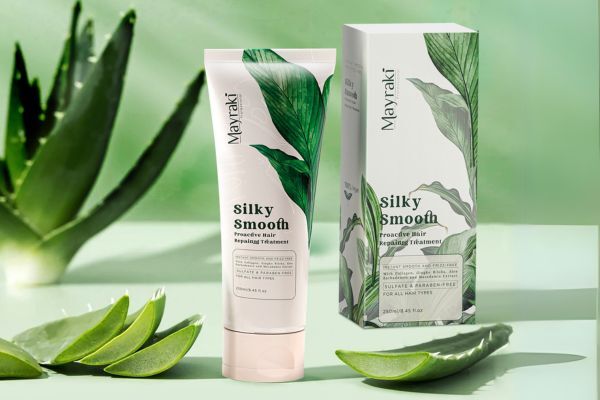
The nourishing formula works to rebuild weakened sections while keeping strands smoother and more manageable. When included in a balanced care routine, it can also help make results last longer. Protein reconstructive treatment that allows the hair to maintain strength, flexibility, and an overall healthier appearance over time.
Wrap-Up
Hair repair treatments can deliver impressive improvements when they are supported by the right habits and consistent care. For beginners, understanding how small routine choices affect hair strength makes a big difference in maintaining those results. When you learn how to make results last longer with protein reconstructive treatment, you focus not only on repairing damage but also on protecting the hair structure through balanced moisture, gentle styling, and regular maintenance.
Following a simple routine and avoiding common mistakes helps keep your mane stronger and more resilient over time. For those looking to support their repair routine, Mayraki Silky Smooth Proactive Hair Repairing Treatment is a great addition, helping nourish weakened strands while reinforcing the hair’s natural strength for healthier, longer-lasting results.