


How to Prevent Premature Graying with a Balanced Diet
Dec 03, 2025 | By Maria Eliza Pineda
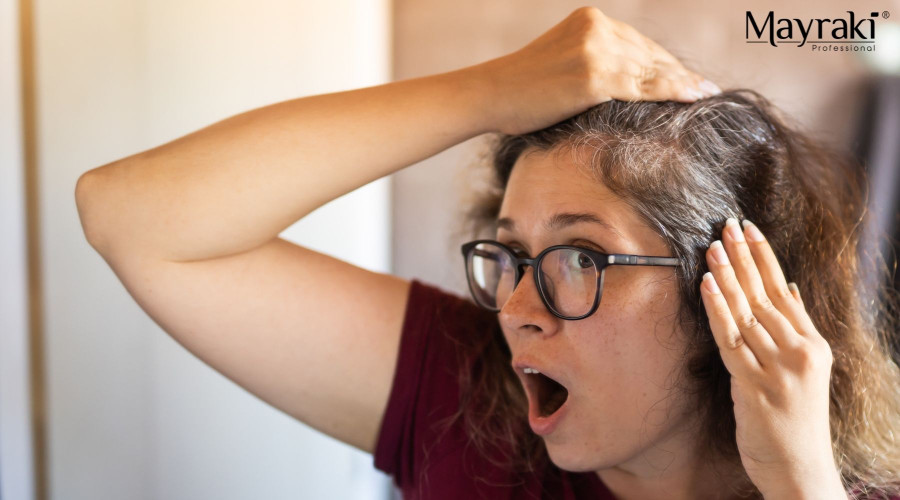
The concept of a premature graying diet is becoming more popular among health-conscious individuals who want to preserve their natural hair color. If you’re starting to notice strands of gray earlier than expected, don’t panic! Your diet might have something to do with it. A well-balanced and nutrient-rich diet plays a crucial role in maintaining melanin production, the pigment responsible for your hair color. Combined with Mayraki’s Anti-Grey Hair Colour Restoring Treatment, you can help your hair stay naturally vibrant by caring for it from both inside and out.
Causes of Premature Greying
Genetic Predisposition
Genetics is one of the leading causes of premature graying. If your parents or grandparents experienced gray hair at an early age, chances are you might too. However, while you can’t change your genes, you can still slow down the process by maintaining a nutrient-rich diet and a healthy lifestyle that supports melanin production.
Nutritional Deficiencies
A lack of key nutrients such as Vitamin B12, iron, copper, and zinc can lead to early loss of pigment. These nutrients play a direct role in melanin synthesis and hair follicle health. Without them, the body struggles to produce enough pigment, resulting in hair that loses its color over time.
Oxidative Stress
Oxidative stress happens when the body has too many free radicals and not enough antioxidants to neutralize them. This imbalance damages the melanocyte cells in your hair follicles that create pigment. Over time, oxidative stress can cause hair to turn gray faster than usual, making antioxidant-rich foods essential for prevention.
Lifestyle Factors
Smoking, excessive stress, UV exposure, and the use of harsh hair products can all speed up graying. These habits increase oxidative stress and inflammation in the scalp. Over time, they weaken your hair follicles, disrupt pigment production, and reduce overall hair health.
How Nutrition Affects Hair Pigmentation
Melanin Production and Nutrition
Melanin is the pigment responsible for hair color, and its production is closely linked to nutrition. The body requires amino acids, vitamins, and minerals to support melanocyte activity in the hair follicles. When these nutrients are lacking, melanin synthesis slows down, leading to a gradual loss of color.
The Role of Vitamins and Minerals
Vitamins like B12, D, and folate promote healthy cell formation and strong hair pigmentation. Minerals such as copper, iron, and zinc are essential cofactors in the enzymes responsible for producing melanin. Meanwhile, adequate protein intake provides the building blocks for both keratin and melanin, which keep the hair strong and richly colored.
The Importance of Antioxidants and Anti-Inflammatory Foods
Antioxidant-rich foods such as berries, spinach, and dark chocolate help fight oxidative stress that damages pigment cells. Similarly, anti-inflammatory foods like fatty fish, nuts, and turmeric help reduce scalp inflammation. Together, these nutrients support healthy follicles and long-lasting hair color.
Top Foods That Support Hair Pigment
Dark Leafy Greens
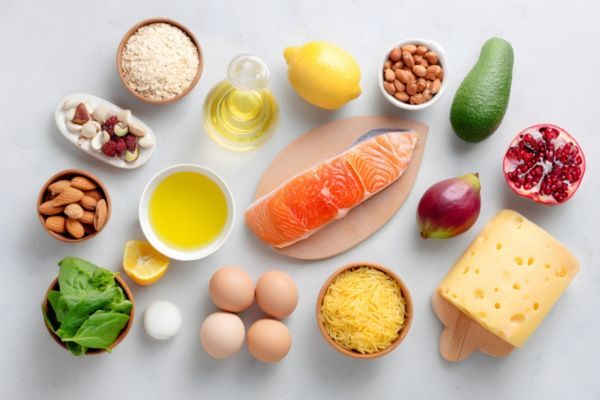
Vegetables like spinach, kale, and moringa are loaded with iron, folate, and antioxidants that promote melanin synthesis. They also improve blood circulation in the scalp, ensuring that hair follicles receive enough nutrients to maintain color. Including leafy greens in your daily meals is an easy way to nourish your hair from within.
Eggs
Eggs are an excellent source of protein, biotin, and Vitamin B12, which are all vital nutrients for healthy and pigmented hair. Biotin strengthens the hair strands while Vitamin B12 supports the formation of new pigment cells. Regular consumption of eggs can help slow down the appearance of gray strands.
Nuts and Seeds
Almonds, walnuts, flaxseeds, and chia seeds are rich in zinc, copper, and omega-3 fatty acids. These nutrients enhance scalp health, improve melanin production, and reduce oxidative stress. Adding a handful of nuts and seeds to your snacks or meals can greatly boost your hair greying prevention nutrition.
Fatty Fish
Fish such as salmon, sardines, and mackerel provide omega-3 fatty acids and Vitamin D, both crucial for scalp and hair health. These nutrients help reduce inflammation and encourage pigment preservation. Including fatty fish in your diet at least twice a week can support both color and shine.
Beans and Lentils
Beans and lentils are excellent plant-based sources of protein and iron. They aid in melanin synthesis in hair follicles and promote overall hair strength. Regularly eating legumes helps ensure your hair receives enough protein to maintain its structure and natural pigment.
Whole Grains
Whole grains like brown rice, oats, and quinoa supply steady energy and are packed with zinc and B vitamins. These nutrients play a vital role in hair pigmentation and cellular regeneration. A diet rich in whole grains supports both scalp vitality and consistent melanin production.
Colorful Fruits and Vegetables
Fruits and vegetables like berries, carrots, and bell peppers provide a wide range of antioxidants that combat oxidative stress. Their vibrant colors signify phytonutrients that help preserve hair pigment. Eating a rainbow of produce ensures a steady supply of vitamins for stronger, more vibrant hair.
Fermented Foods for Gut Health
Fermented foods such as yogurt, kimchi, and sauerkraut enhance nutrient absorption and gut health. A healthy gut improves how your body processes the vitamins and minerals needed for hair pigmentation. Incorporating these foods helps your body maximize the nutrients from your balanced diet.
Foods and Habits to Limit or Avoid
Processed Foods
Processed foods are often loaded with preservatives and chemicals that hinder nutrient absorption. These additives increase oxidative stress, which accelerates the graying process. Choosing whole, unprocessed meals helps your hair maintain its natural pigment for longer.
High Sugar Intake
Excessive sugar triggers inflammation and can disrupt hormone balance. Chronic inflammation affects blood circulation to the scalp, which can lead to premature graying. Reducing sugar intake helps maintain a healthy environment for hair pigment cells.
Fried Foods and Trans Fats
Fried foods and trans fats negatively affect blood flow and reduce the delivery of nutrients to the hair follicles. Poor circulation means less oxygen and nourishment reach the scalp. Replacing these with healthy fats like olive oil or avocados promotes better scalp and hair health.
Alcohol and Smoking
Excessive alcohol consumption and smoking increase oxidative stress and hair greying. These habits deplete vital antioxidants and damage pigment-producing cells. Quitting smoking and moderating alcohol intake can greatly slow down the onset of gray hair.
Sample Daily Meal Ideas
Breakfast
Start your day with a spinach smoothie made with banana, chia seeds, and almond milk. This combination provides a boost of antioxidants, omega-3s, and vitamins to support pigment production. It’s an easy, nutrient-rich way to energize your morning.
Lunch
Enjoy grilled salmon paired with quinoa and steamed greens. This meal delivers protein, omega-3 fatty acids, zinc, and folate. All of these are essential for scalp health and melanin preservation. It’s a perfect balance of nutrients that help delay premature graying.
Dinner
A lentil stew with mixed vegetables like carrots, broccoli, and bell peppers offers fiber, protein, and antioxidants. This hearty meal nourishes your hair overnight and supports cellular repair. Consistent intake of such nutrient-dense dishes strengthens both your scalp and follicles.
Snacks
For snacks, go for a handful of nuts, fresh fruits, or a few pieces of dark chocolate. These foods are rich in antioxidants and healthy fats. They not only satisfy cravings but also contribute to long-term hair color maintenance.
Lifestyle Tips to Support a Healthy Diet
Manage Stress
Chronic stress disrupts hormones and increases oxidative damage, which can accelerate graying. Practicing relaxation techniques like meditation or yoga helps balance the body’s systems. Consistent stress management contributes to healthier hair pigmentation.
Stay Hydrated
Proper hydration aids in nutrient transportation to the hair roots and scalp. When the scalp is well-hydrated, it becomes a more efficient environment for melanin production. Drinking enough water daily keeps both your hair and skin in optimal condition.
Get Regular Exercise
Exercise improves blood circulation and ensures that essential nutrients reach your hair follicles. It also reduces stress, which in turn helps prevent early graying. A healthy body translates to stronger and more vibrant hair.
Avoid Harsh Hair Chemicals
Using harsh chemicals can weaken follicles and strip away natural pigments. Opt for natural and gentle solutions like the Mayraki Anti-Grey Hair Colour Restoring Treatment to protect your hair. Its natural formulation helps restore color without damaging your strands.
Prioritize Sleep and Overall Wellness
Adequate sleep supports cell repair, including the melanocytes responsible for hair pigment. Poor sleep can disrupt hormonal balance and accelerate signs of aging. Aim for 7–8 hours of quality rest each night to maintain both energy and hair health.
Why Pair Diet with the Mayraki Anti-Grey Treatment Hair Color Restoring Treatment
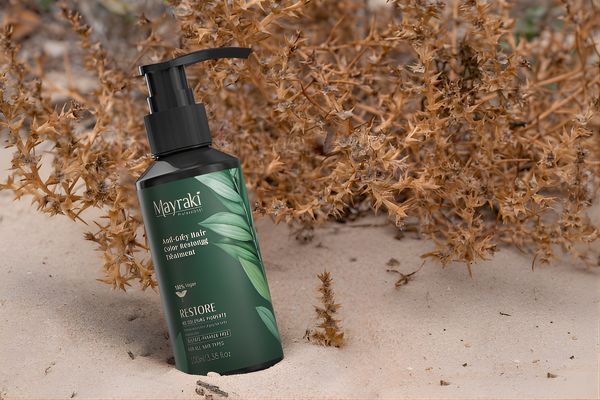
A healthy diet works best when paired with external nourishment from the Mayraki Anti-Grey Hair Colour Restoring Treatment. This holistic approach addresses the issue from within while enhancing results on the surface. Formulated with natural ingredients, the treatment restores your hair’s natural hue without using synthetic dyes or harsh chemicals, making it a perfect match for those following an anti-grey hair treatment diet.
Frequently Asked Questions
Can food alone reverse gray hair?
Food alone may not reverse gray hair entirely, but it can significantly delay the process. Consistent nutrition helps maintain pigment and overall hair vitality. Combined with proper care, diet becomes a powerful prevention tool.
How long does it take to see results?
Visible improvements usually appear after 3–6 months of consistent healthy eating and hair care. Results vary depending on genetics, lifestyle, and product use. Patience and consistency are key.
Should I take supplements too?
If your diet lacks certain nutrients, supplements can help fill the gap. However, it’s best to consult a healthcare professional before starting any regimen. Natural foods should remain your main nutrient source.
What if greying runs in my family?
Genetics may influence when graying begins, but diet and lifestyle can still slow its progression. Proper nutrition strengthens the scalp and prolongs pigment retention. Even with a genetic, you can maintain color longer through consistent care.
Diet is the Key
A premature graying diet is a proactive, natural way to support healthy hair pigmentation. Eating nutrient-rich foods, avoiding damaging habits, and incorporating the Mayraki Anti-Grey Hair Colour Restoring Treatment can help keep your hair youthful and vibrant. By combining internal nourishment with external care, you’ll strengthen your hair’s natural color, resilience, and shine.