


How to Deal with Receding Hairlines in Men: Natural and Practical Solutions for Stronger Hair
Jan 10, 2026 | By Maria Eliza Pineda

A receding hairline is one of the most common hair concerns among men. It can start as early as the early 20s and is often first noticed around the temples or forehead. While hairline changes are natural and part of aging, they don’t mean you’re out of options. With the right knowledge, routine, and mindset, there are many receding hairline solutions men can use to slow thinning, strengthen hair, and regain confidence.
Understanding Why Hairlines Recede
One of the main reasons hairlines recede is genetics. Men who are sensitive to DHT (dihydrotestosterone) experience gradual weakening of hair follicles, particularly along the front of the scalp. This process is central to male pattern baldness, and understanding it early allows for better prevention strategies.
Beyond hormones, other factors can accelerate hairline recession, including chronic stress, nutritional deficiencies, scalp buildup, and harsh styling habits. Frequent use of strong shampoos, excessive heat, and aggressive brushing can damage hair follicles. Early identification of these causes significantly improves treatment effectiveness.
Identifying the Early Signs of Hairline Recession
Recognizing the early signs of hairline recession is essential for timely intervention. One of the first indicators is thinning hair around the temples or frontal hairline. You may notice increased scalp visibility or a wider forehead compared to previous years.
Changes in hair texture are also common signs. These include finer strands, increased breakage, or difficulty styling. Increased shedding near the forehead and uneven hair density at the part or crown suggest that it’s time to adjust your hair care routine and lifestyle habits.=
Effective Solutions for Receding Hairlines in Men
Hair Growth Serums and Treatments
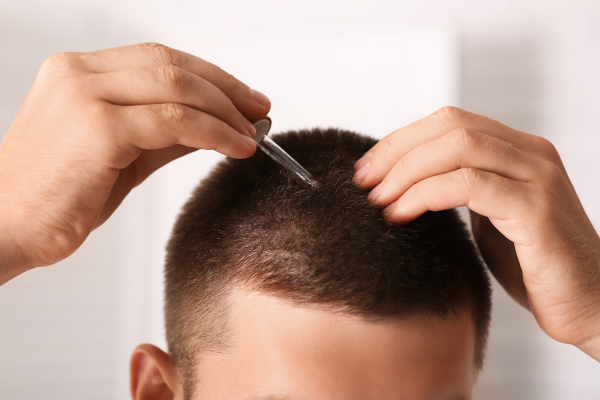
One of the most practical men’s hair loss solutions is using hair growth serums made with natural, scalp-friendly ingredients. Products that support scalp stimulation and hair follicle nourishment help strengthen hair roots and encourage regrowth.
Scalp Care Routine
Healthy hair begins with a clean, balanced scalp. Use gentle, sulfate-free shampoos that cleanse without stripping natural oils. Regular exfoliation or clarifying treatments remove dead skin cells and product buildup that block follicle activity.
Nutritional Support
Topical products alone are not enough without proper internal nutrition. A diet rich in biotin, zinc, iron, and protein supports hair regrowth from within. Foods like eggs, salmon, leafy greens, nuts, and legumes strengthen hair structure and growth cycles. A balanced diet is one of the most effective natural ways to restore the hairline, especially when combined with consistent hair care.
Stress Management and Lifestyle
Stress and hair thinning are closely connected. Chronic stress raises cortisol levels, which can accelerate hair loss. Prioritizing sleep, regular exercise, and mindfulness practices helps regulate hormones and supports healthy hair growth.
Hairstyles and Grooming Techniques
The right haircut can make a significant difference in managing a receding hairline. Buzz cuts and crew cuts minimize contrast between thinning and dense areas. Textured crops create volume and draw attention away from the hairline.
Natural Ingredients That Support Hairline Health
Several natural ingredients are known to support hairline strength. Caffeine extracts stimulate follicles and help counter DHT effects. Aloe vera hydrates the scalp and reduces inflammation.
Rosemary oil improves circulation, while biotin and niacinamide support thicker, healthier hair. Saw palmetto acts as a natural DHT blocker and is commonly used in gentle hair growth treatments for men seeking non-aggressive solutions.
Building a Consistent Hairline Care Routine
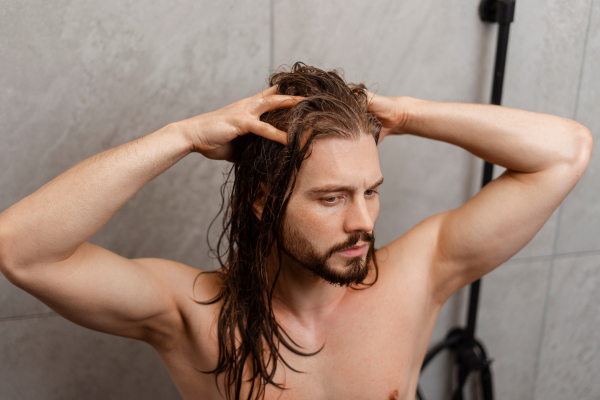
Consistency determines success in hairline care. Wash hair 2–3 times per week with mild cleansers to avoid overdrying the scalp. Dedicate a few minutes daily to scalp massage to boost circulation. Apply hair serums or tonics regularly, avoid excessive heat and harsh chemicals, and allow time for recovery.
Confidence and Mindset
It’s important to remember that hairline changes do not define masculinity or self-worth. Many men feel more confident once they commit to self-care and accept natural hair changes. Proper grooming, styling, and a healthy routine improve both appearance and mindset. The ultimate goal is not just regrowth, but long-term scalp and hair health.
A Way to Get Low
A higher hairline does not automatically mean permanent hair loss. With the right education, natural treatments, and practical grooming strategies, it can be effectively managed. Combining receding hairline solutions, healthy lifestyle choices, and consistent care delivers the best results. Being proactive, patient, and confident is the most effective solution of all.