


Fix Dull Rough Color-Treated Hair Ends
May 14, 2026 | By Maria Eliza Penida

A Guide on How to Fix Dull, Rough Ends for Color-Treated Hair
If you’ve noticed that your hair looks dull, dry, and rough, especially at the ends, you’re not alone, especially if you have color-treated hair. The coloring process can cause damage to the hair strands, while having a sensitive scalp adds another layer of difficulty when choosing the right routine. Using the wrong products or harsh methods can make dryness and irritation even worse. That’s why it’s important to follow a balanced routine that cares for both your scalp and your hair ends.
Why Does Color-Treated Hair Become Dull and Rough?
Effects of Chemical Processing
When we color our hair, the cuticle layer is lifted to allow pigment to enter. This makes the hair strands more porous and prone to losing moisture quickly. As a result, hair becomes dry, rough to the touch, and more susceptible to breakage. Even if the color looks great, the hair can still appear unhealthy without proper care.
Why Hair Ends Are More Affected
The ends are the oldest part of your hair, making them the most damaged. With every wash, styling session, and environmental exposure, the natural oils at the ends are gradually depleted. This leads to brittleness and an increased risk of split ends. If left untreated, the damage can travel upward along the hair shaft.
The Connection Between Sensitive Scalp and Hair Health
A sensitive scalp can easily become irritated by harsh ingredients like sulfates and artificial fragrances. When the scalp is irritated, it can affect hair growth and overall hair health. It may also disrupt oil balance, leading to either dryness or excess oil. That’s why it’s important to use soothing, gentle products that won’t trigger discomfort.
Key Principles for Repairing Dry and Rough Ends
Prioritize Moisture and Cuticle Repair
The first step in repairing hair is restoring moisture. When hair is hydrated, it becomes smoother and more manageable. Sealing the cuticle is also important to prevent moisture loss. This is where serums and oils come in, helping to lock in hydration.
Take a Gentle Approach for Sensitive Scalps
You can’t rely on strong treatments if your scalp is sensitive. It’s better to use mild, soothing ingredients that provide hydration without causing irritation. Avoid products with drying alcohols and strong fragrances. Consistency is more important than aggressive treatments.
Consistency Over Intensity
A simple and consistent routine is more effective than occasional intensive treatments. Hair repair doesn’t happen overnight. It requires regular care and the right products. With the right routine, you’ll see gradual improvements in texture and shine.
Pre-Wash Preparation for Healthier Hair
Gentle Detangling
Before washing, it’s important to remove tangles using a wide-tooth comb. This helps prevent breakage during shampooing. Be gentle when detangling, especially at the ends. Never force knots, as this can damage your strands further.
Applying Oil to Hair Ends
Apply a lightweight oil to the ends before shampooing to protect them from dryness. This step acts as a barrier against the stripping effects of shampoo. It also helps retain moisture in the ends. Even a small amount can make a noticeable difference.
Scalp Soothing Prep
If you have a sensitive scalp, you can apply a soothing serum before washing. This helps calm the scalp and reduce irritation during your shower. Look for ingredients like aloe vera or chamomile for a soothing effect. This step sets the foundation for your scalp care routine.
Scalp Serum Routine
How to Choose the Right Scalp Serum
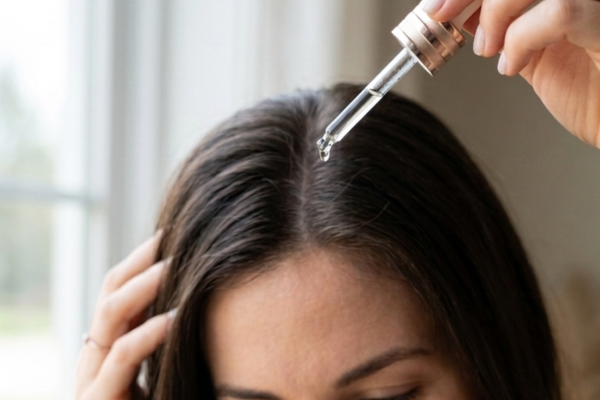
Choose a serum with calming and hydrating ingredients like aloe vera, niacinamide, and oat extract. These ingredients help reduce redness and irritation. Avoid products with strong essential oils. The simpler the formulation, the safer it is for sensitive scalps.
Proper Application Method
Part your hair and apply the serum directly to your scalp using a dropper or your fingertips. Gently massage it in to ensure proper absorption. Avoid applying too much pressure to prevent irritation. Gentle application is key to effective results.
How Often to Use It
You can use a scalp serum 2–4 times per week, depending on your scalp’s sensitivity. If your scalp is very sensitive, start with a lower frequency. Observe how your scalp reacts over time. With consistent use, you’ll notice a more balanced and healthier scalp.
Proper Washing Routine for Color-Treated Hair
Use a Sulfate-Free Shampoo
Sulfate-free shampoos are gentler and won’t strip your hair’s natural oils. This is especially important for color-treated hair that is prone to dryness. It also helps maintain your hair color for longer. Choose a mild formula to avoid irritation.
Shampoo the Scalp Only
Focus shampoo on the scalp and let the lather run down to the ends. There’s no need to scrub the ends directly. Excess friction can cause damage. This simple technique helps preserve moisture in your hair.
Avoid Hot Water
Hot water can dry out both your hair and scalp. It’s better to use lukewarm water for gentle cleansing. This also helps prevent irritation for sensitive scalps. It’s a small change that makes a big difference.
Conditioning and Deep Repair
Apply Conditioner from Mid-Length to Ends
Apply conditioner from the mid-length down to the ends of your hair. Avoid the scalp to prevent buildup. This helps smooth the hair cuticle. Your hair will feel softer and more manageable afterward.
Weekly Deep Conditioning
Set aside time for deep conditioning at least once a week. This helps repair damage and restore elasticity. Choose a formula that balances protein and moisture. It provides long-term improvement in hair health.
Leave-In Conditioner
A leave-in conditioner provides extra protection for your hair. It helps prevent dryness and environmental damage. It’s easy to use and doesn’t weigh the hair down. Perfect for daily maintenance.
Post-Wash Care for Smooth Hair Ends
Gentle Drying Method
Avoid rubbing your hair with a towel. Instead, gently pat dry using a cotton shirt or microfiber towel. This helps reduce frizz and breakage. It’s much gentler compared to regular towels.
Apply Serum or Oil to Hair Ends
Apply a serum or oil to the ends while your hair is still damp. This helps lock in moisture. It also adds shine and smoothness. This is the secret to healthier-looking ends.
Avoid Heat Styling
Frequent heat styling is a major cause of dry and damaged hair. Try to limit the use of flat irons and blow dryers. If you must use them, apply a heat protectant. This helps keep your hair healthier in the long run.
Mayraki Hair Growth Serum Intense with Copper Peptide GHK-Cu
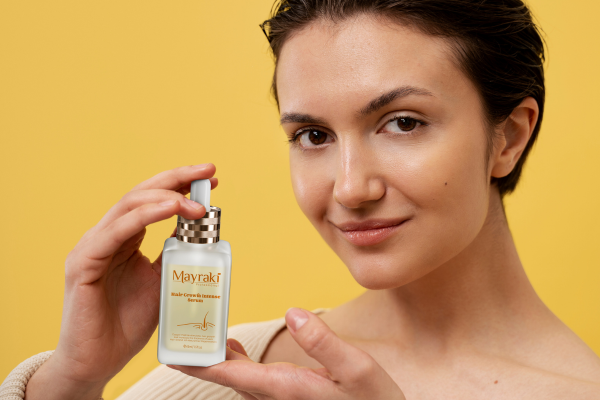
If you’re looking for a gentle yet effective solution, adding the Mayraki Hair Growth Serum Intense with Copper Peptide GHK-Cu to your routine is a great choice. It is formulated for sensitive scalps and helps soothe irritation while supporting healthy hair growth. With its natural and mild ingredients, it won’t worsen dryness or sensitivity. It’s the perfect partner for fixing dull and rough hair ends because it improves scalp health first.
Color Doesn’t Equal Dry
Fixing dull and rough hair ends isn’t just about applying products to your hair. It also requires proper scalp care, especially if you have a sensitive scalp. By following a gentle and consistent scalp serum routine, you can gradually restore your hair’s healthy shine and smoothness. Remember, truly healthy hair starts with a healthy scalp, so take care of it with the right routine and consistency.