


Beginner’s Guide on How to Reduce Frizz in Humidity for Curly Hair
Apr 28, 2026 | By Maria Eliza Penida

If you have curly hair, you already know the struggle when the weather is humid: your hair suddenly becomes frizzy, dry, and hard to manage. During the spring season, when humidity levels fluctuate, maintaining defined curls becomes even more challenging. But your routine doesn’t have to be complicated to manage this. With the right steps and consistent care, you can reduce frizz and keep your curls smooth even in humid weather.
Why Does Curly Hair Become Frizzy in Humidity?
When humidity is high, there is excess moisture in the air that gets absorbed into the hair strands. This causes the hair to expand and the cuticle layer to lift. When the cuticle is raised, the surface of the hair becomes rough, making frizz more visible. This is why the hair loses smoothness and curl definition.
Curly hair is naturally drier compared to straight hair due to its structure. Because of its shape, natural oils have a harder time traveling from the scalp down to the ends. When the hair lacks moisture, it becomes more vulnerable to humidity. As a result, it frizzes more easily and loses its curl definition.
Pre-Wash Prep: The First Step Against Frizz
Gentle Detangling to Prevent Frizz
Before shampooing, it’s important to detangle your hair properly to avoid breakage. Use your fingers or a wide-tooth comb to gently remove knots. Avoid brushing dry hair because it can worsen frizz. Gentle detangling also helps make your hair more manageable during washing.
Using Lightweight Oil or Serum
Apply a lightweight oil or serum before showering to provide extra protection for your hair. This helps reduce moisture loss during shampooing. It also softens the hair, making curls easier to handle. This way, your hair is better prepared to resist frizz after washing.
Ingredients to Look For and Avoid
Aloe Vera
Aloe vera is known for its hydrating and soothing properties, making it an excellent ingredient for curly hair. It helps retain moisture in the hair strands without making them feel heavy or greasy. This ingredient also supports scalp health by reducing dryness and irritation. With consistent use, aloe vera can help improve softness and enhance curl definition.
Glycerin
Glycerin is a humectant that attracts moisture from the environment into the hair. When used in balanced formulations, it helps keep curls hydrated and smooth. However, in very high humidity, it should be combined with other sealing ingredients to prevent excessive moisture absorption. When properly formulated, glycerin contributes to more manageable and defined curls.
Keratin
Keratin is a protein that helps strengthen the hair structure and reduce breakage. It works by filling in gaps in the hair cuticle, resulting in smoother and stronger strands. This can improve the overall appearance of curls by making them more uniform and less prone to frizz. Regular use of keratin-infused products can support healthier, more resilient hair.
Coconut Oil
Coconut oil is widely used for its deep moisturizing properties. It penetrates the hair shaft and helps reduce protein loss, which is important for maintaining hair strength. It also helps seal in moisture, making curls look shinier and less frizzy. When used in moderation, coconut oil can be an effective part of a curly hair care routine.
Argan Oil
Argan oil is rich in essential fatty acids and vitamin E, making it highly nourishing for the hair. It helps smooth the hair cuticle, which reduces frizz and adds shine. Its lightweight nature makes it suitable for curly hair without weighing it down. Regular use can improve softness and enhance curl manageability.
Shea Butter
Shea butter is a deeply moisturizing ingredient that helps protect the hair from dryness. It acts as a sealant, locking in moisture and providing a barrier against humidity. This makes it especially beneficial for curly hair that tends to lose hydration quickly. When used properly, it can help keep curls soft, defined, and frizz-free.
Ingredients to Avoid
Sulfates
Sulfates are cleansing agents commonly found in shampoos, but they can be too harsh for curly hair. They strip away natural oils, leaving the hair dry and more prone to frizz. Over time, frequent use of sulfate-based products can weaken the hair’s moisture balance. It is generally better to choose sulfate-free alternatives for curly hair care.
Non-Water-Soluble Silicones
Non-water-soluble silicones can create a coating on the hair that is difficult to wash out without strong cleansers. While they may provide temporary smoothness, they often lead to product buildup over time. This buildup can weigh down curls and reduce their natural bounce. Using water-soluble alternatives is a better option for maintaining clean and defined curls.
Drying Alcohols (e.g., Isopropyl Alcohol)
Certain types of alcohol, especially drying alcohols, can strip moisture from the hair. This leads to increased dryness and makes frizz more noticeable in humid conditions. Overuse of products containing these ingredients can negatively affect hair texture. It is best to avoid them in leave-in products and treatments for curly hair.
Scalp Serum Routine: A Game-Changer for Frizz Control
The scalp plays a major role in overall hair health, so it’s important to care for it properly. When the scalp is dry or imbalanced, it can lead to frizz and dull-looking curls. A scalp serum helps provide hydration and nourishment to the scalp. This creates a healthier foundation for the hair.
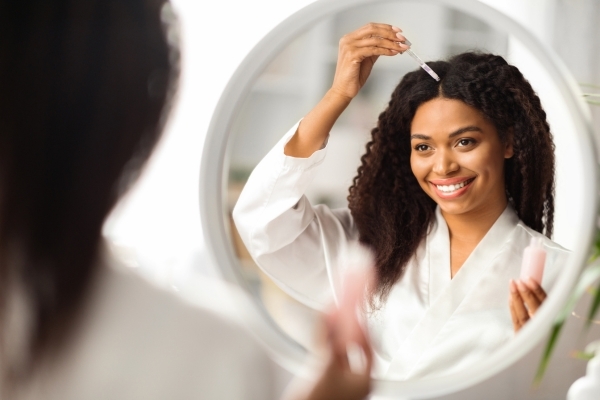
Apply scalp serum to a damp or slightly dry scalp for better absorption. Gently massage it into the scalp using your fingertips in circular motions. Make sure the product is evenly distributed across the entire scalp. Use it regularly to achieve the best results for frizz control.
Post-Wash Care: Lock in Moisture
Apply Leave-In Conditioner
After washing your hair, apply a leave-in conditioner to add hydration. This helps seal moisture into the hair strands. It also protects the hair from environmental humidity. With regular use, your curls become smoother and easier to manage.
Proper Drying Technique
Avoid using a regular towel because it creates friction that increases frizz. Instead, use a microfiber towel or a cotton t-shirt, which are gentler on the hair. Gently squeeze out excess water rather than rubbing the hair. This helps preserve curl pattern and reduce frizz.
Styling Strategies for Humidity-Proof Curls
Hands-Off Method While Drying
Allowing your hair to dry without touching it helps maintain curl definition. Frequent touching disrupts the natural curl formation. This can lead to frizz and uneven texture. It’s best to avoid unnecessary manipulation while your hair is drying.
Diffusing vs Air Drying
Diffusing involves using a blow dryer with a diffuser attachment to dry the hair faster. It should be used on a low heat setting to prevent damage. Air drying, on the other hand, is more natural and less damaging. Both methods are effective depending on your time and preference.
Protective Styles on Humid Days
On very humid days, protective hairstyles like braids or buns can be helpful. These styles reduce your hair’s exposure to moisture in the air. They also minimize the chances of frizz formation. Aside from being practical, they can also look stylish.
Common Mistakes to Avoid
Over-Washing the Hair
Washing your hair too frequently can strip away its natural oils. Once the natural moisture is removed, the hair becomes dry and frizzy. It’s important to adjust your washing frequency based on your hair type and lifestyle. Maintaining the right balance helps keep your hair healthy.
Using Too Many Products
Applying too many hair products can lead to buildup on the scalp and strands. This buildup affects curl definition and makes the hair look dull. It’s better to use minimal but targeted products. This ensures each product works effectively.
Ignoring Scalp Health
When the scalp is not healthy, it affects the overall condition of the hair. A dry or irritated scalp can contribute to frizz and other hair issues. That’s why scalp care should be part of your routine. Consistent scalp care provides a better foundation for healthy curls.
Spring Hair Care Tips for Curly Hair Beginners
Adjust Your Routine Based on the Weather
During the spring season, humidity levels can change frequently, so your routine should be flexible. You may need lighter products compared to colder months. Adjusting your routine helps maintain proper moisture balance in your hair. This makes frizz easier to manage.
Consistency Is Key
Consistency is one of the most important factors in maintaining healthy curls. Even the best products won’t be effective if they are not used regularly. Your routine should become part of your daily or weekly habits. Over time, you will see improvements in your hair’s texture and manageability.
Regular Trims to Prevent Frizz
Split ends can contribute to frizz and make hair appear unhealthy. Regular trims help maintain the shape of your curls. They also prevent damage from spreading along the hair strands. This keeps your overall look fresh and well-defined.
The Mayraki Hair Growth Serum Intense with Copper Peptide GHK-Cu for Strong and Shiny Hair
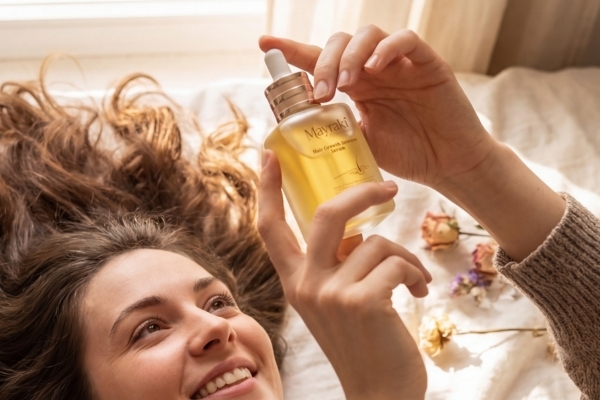
The Mayraki Hair Growth Serum Intense contains copper peptides that not only help with strengthening and making the hair shinier, but also boost hair growth and improve your hair’s overall health and appearance. This is ideal for those who are experiencing frizz because of damaged cuticles, friction, and humid weather. It keeps the hair hydrated as well as helps seal the cuticle to prevent frizz and damage.
Avoiding the “Monica”
Controlling frizz in curly hair during humid weather doesn’t have to be complicated. With the right pre-wash prep, hydrating products, scalp serum routine, and proper styling techniques, managing curls becomes much easier. Consistency and the right product choices are key to achieving long-term results.