


Traveler’s FAQ Guide to Color-Restoring Balance
Apr 03, 2026 | By Edss Tolentino

Winter travel sounds exciting, but your scalp doesn’t always agree. Constantly shifting from icy outdoor air to dry airplane cabins and overheated hotel rooms throws your scalp’s rhythm off balance.
As a result, the roots turn greasy faster, while your ends feel brittle, rough, and dehydrated. Add travel stress, disrupted sleep, and exposure to pollution, and you create the perfect environment for premature greying to creep in.
Instead of guessing your way through random products, this is where an oily roots dry ends balance anti-grey hair treatment becomes essential. It is a structured approach designed to regulate excess oil at the scalp and deeply replenish dry lengths. Additionally, it supports healthy pigment retention all at once.
FAQ: Oily Roots Dry Ends Balance Anti-Grey Hair Treatment
Below is a practical, easy-to-understand guide to help you regain control with smarter winter hair care for travelers.
Q1: Why do my roots get oilier when I travel in winter?
When you move between freezing outdoor air, airplane cabins, and heated hotel rooms, your scalp goes into defense mode. These rapid temperature shifts disrupt scalp sebum regulation, which causes your skin to produce more oil to protect itself. This is a common issue when managing an oily scalp in cold weather.
Add hats, beanies, and limited washing schedules, and oil becomes trapped at the roots. On top of that, travel stress increases cortisol levels, which can stimulate oil glands further. Even broader climate change, hair stress, and constant environmental fluctuations can intensify this imbalance.
Q2: Why are my ends still dry if my scalp is oily?
It seems unfair, but it makes sense. Scalp oil doesn’t easily travel down the hair shaft, especially if you have longer or thicker strands. That leaves mid-lengths and ends without natural lubrication.
Cold air and indoor heating dryness strip moisture from the hair fiber, which leads to hair shaft dehydration. Meanwhile, frequent washing to control oil can worsen the problem by removing what little moisture your ends have left. This is why a focused dry ends treatment for winter is essential. You need hydration targeted at the lengths, not heavy creams at the roots. Moreover, prioritizing split-end prevention and root-to-tip nourishment helps maintain strength without increasing greasiness.
Q3: Does winter travel affect grey hair formation?
Yes, indirectly. Environmental exposure and oxidative stress can weaken follicle health. This impacts cells responsible for pigment making, pigment support, and melanin production, making them increasingly important.
Travel often means irregular sleep, inconsistent nutrition, and more pollution exposure. These factors can influence premature greying. Without proper antioxidant scalp care, follicles may struggle to maintain healthy pigment activity. That’s why many people turn to an anti-grey hair routine for men and women during colder seasons. Scalp health isn’t just about oil control; it’s also about long-term color resilience and color vibrancy maintenance.
Q4: How can I balance both oil control and moisture?
Use a lightweight scalp treatment that focuses on scalp oil control during travel without clogging pores. Avoid applying heavy conditioners at the roots because this worsens buildup. Direct hydration only to mid-lengths and ends for proper hydration of color-treated hair in winter. Choose a non-greasy restorative formula that supports both moisture and balance. The key is separation if you’re balancing combination hair types. You should treat the scalp and the lengths differently.
Q5: Can one routine help manage oil and support natural color?
Yes, if it’s structured correctly. A well-designed winter color-restoring hair treatment can regulate scalp conditions while supporting pigment retention. The goal is to help restore natural hair color naturally while keeping oil production controlled and ends properly nourished. The right travel-friendly hair care routine doesn’t overload your hair. Instead, it helps to have a healthy scalp environment and oil regulation.
Travel-Friendly Hair Care Routine
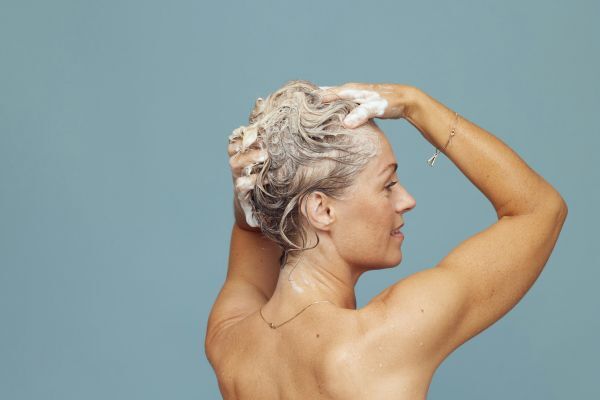
Gentle Clarifying Cleanse
When managing oily scalp in cold weather, the goal is to balance, not strip. Use a mild clarifying shampoo 2 to 3 times per week. Massage directly into the scalp to improve scalp sebum regulation. Then rinse thoroughly to prevent buildup under hats and scarves. This aids in proper scalp oil control during travel without triggering rebound oil production. A clean scalp also creates the right foundation for antioxidant scalp care and long-term follicle health.
Lightweight Conditioner on Ends
Your scalp doesn’t need heavy moisture, but your ends do. Apply conditioner strictly from mid-lengths down. Then choose formulas that support hydration for color-treated hair in winter. Avoid roots to prevent flattening and greasiness. This step combats hair shaft dehydration and works as a focused dry ends treatment for winter. If you're balancing combination hair types, separation is everything because it treats the scalp and lengths differently.
Apply Targeted Oily Roots Dry Ends Balance Anti-Grey Hair Treatment
Use a lightweight scalp treatment designed to help pigment support and melanin production. It delivers scalp oil control during travel and functions as a winter color-restoring hair treatment. A good formula should feel like a non-greasy restorative formula, not a heavy oil. Apply directly to the scalp as directed and allow it to absorb fully. Consistent use strengthens follicle health and supports efforts to restore natural hair color. This step anchors your anti-grey hair routine for men and women, especially during high-stress travel periods.
Protect Ends with a Hydrating Serum
Use a small amount of serum on the ends daily. Focus on split-end prevention and sealing moisture. Look for ingredients that promote color vibrancy maintenance. This creates a protective coating against environmental stress while enhancing shine and softness. Think of it as insurance for your ends.
Maintain Consistency
Start strong and stop mid-trip. With consistent use, it helps stabilize scalp sebum regulation and ongoing root-to-tip nourishment. Also, it reduces the effects of climate change on hair stress.
Mayraki Anti Grey Restoring Treatment
If you’re serious about correcting imbalance instead of masking it, Mayraki Anti Grey Restoring Treatment is built for exactly that purpose. This oil-free, dry-end balancing anti-grey hair treatment is designed to support natural pigment restoration while keeping your scalp environment stable.
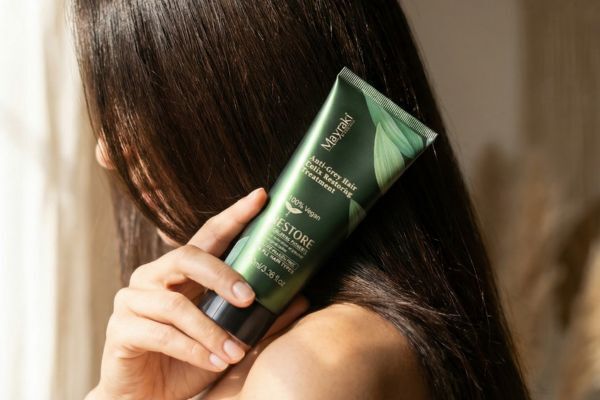
Its lightweight formula works well for combination scalp conditions that help regulate excess oil at the roots without drying out the lengths. Because it absorbs quickly and leaves no greasy residue.
Additionally, it’s ideal for travelers who need performance without heaviness. With consistent use, it helps in color vibrancy while maintaining true color. It is root-to-tip nourishment that gives your locks balance, resilience, and a healthier overall appearance.
Wrap-Up
Fine hair in winter doesn’t need heavier layers. It needs a smarter structure. When you choose a balanced solution like Mayraki Anti Grey Restoring Treatment and apply it with intention, you support softness, reduce static, and preserve natural lift without creating buildup at the roots. The right oily roots dry ends balance anti-grey hair treatment works with fine strands, not against them.
It helps maintain volume while improving scalp health and overall manageability. In colder months, product weight and consistency matter far more than quantity. Start small and stay consistent. Choose a lightweight solution like Mayraki Anti Grey Restoring Treatment and give your fine hair the smoothness it needs.