


The Role of Vitamins and Supplements in Hair Growth
Dec 05, 2025 | By Maria Eliza Pineda

Many adults today experience thinning hair, slow regrowth, or a gradual loss of density. Because of this, interest in vitamins for hair growth has greatly increased as part of modern haircare routines. Vitamins are often advertised as quick fixes, but it is important to understand what they actually do inside the body and how they influence the hair growth cycle. Despite heavy marketing claims, not all supplements have the same effects, and results vary significantly from person to person. This is why proper knowledge about the role of nutrition in hair health is essential.
How Hair Grows: The Basics
To understand how vitamins and supplements for hair growth work, it’s important to know how hair naturally grows. Every strand goes through three main stages known as the hair growth cycle: the anagen or growth phase, the catagen or transition phase, and the telogen or resting phase. In the anagen phase, hair actively grows; the catagen phase signals the beginning of transition; while the telogen phase allows the follicle to rest, where shedding commonly occurs. When this cycle is disrupted, hair may thin more quickly or grow more slowly.
Several factors affect the hair growth cycle. These include genetics, hormonal changes, lifestyle habits, stress levels, diet quality, and scalp health. For example, high stress can trigger telogen effluvium, causing more hairs than usual to enter the shedding phase. A poor diet, on the other hand, weakens follicles because they lack adequate nourishment.
This is where proper nutrition and supplements become important. When the body has sufficient nutrients, the hair growth cycle runs more smoothly, allowing hair to stay strong, thick, and resilient. When paired with proper scalp care, the environment for hair growth becomes healthier from the inside out.
Essential Vitamins and Nutrients for Hair Growth
Iron
Iron is one of the most important minerals for healthy hair because it helps deliver oxygen to the hair follicles. When iron is low, cell renewal slows down, and follicles do not receive enough oxygen to produce thick, healthy strands. This is why iron deficiency is commonly associated with sudden shedding and noticeable thinning. Once iron levels return to normal, follicles become more active and productive.
Zinc
Zinc is also essential because it supports tissue repair and helps regulate oil production on the scalp. When zinc levels are insufficient, the follicle structure weakens, and breakage becomes more common. This leads to thinning and shedding because the hair cannot recover effectively from daily damage. With enough zinc, hair fibers grow stronge,r and the scalp maintains a healthier balance.
Vitamin D
Vitamin D plays a role in regulating the hair growth cycle, particularly in stimulating hair follicles. When vitamin D is low, the likelihood of hair loss increases because follicles do not receive the signals needed to stay in the active growth phase. This is why many cases of telogen effluvium are linked to low vitamin D levels. When levels improve, hair cycling becomes more balanced and regrowth happens more quickly.
Biotin
Biotin, also known as vitamin B7, is one of the most popular vitamins for hair growth, but it is important to clarify misconceptions about it. Biotin is essential for keratin production, which helps strengthen hair strands. However, true biotin deficiency is rare, meaning only those with an actual deficiency will experience dramatic improvements from supplementation. For others, biotin can still help, but it should not be viewed as a miracle cure for thinning hair.
Other Important Nutrients
Beyond the main vitamins, other nutrients like B-complex vitamins, omega-3 fatty acids, selenium, and antioxidants also play crucial roles. B-complex vitamins assist in cellular energy production related to strand formation. Omega-3 fatty acids help maintain moisture and offer anti-inflammatory benefits for the scalp. Selenium and antioxidants such as vitamins A, C, and E combat oxidative stress that can cause follicle damage. Together, these nutrients support stronger, healthier, and more resilient hair.
What Science Says About Hair Growth Supplements

Studies show that supplements can provide significant benefits, especially for individuals with nutritional deficiencies. When iron, zinc, vitamin D, biotin, or omega-3 levels are low, hair follicles lack the nutrients needed to function properly, leading to thinning and shedding. Restoring these nutrients can reactivate follicles and enhance overall hair density.
However, supplements do not always produce dramatic results for people who already follow a balanced diet. If the body is already receiving adequate nutrients, additional supplementation may not significantly change hair thickness or growth speed. This is why realistic expectations are important when it comes to vitamins and minerals for hair health.
Even so, nutraceuticals, which are natural food-derived compounds, can still support scalp function and hair fullness. They are not instant solutions, and noticeable improvements typically take three to six months, given the slow nature of the hair growth cycle.
When and How to Use Supplements Effectively
Deciding When They Are Needed
Supplements are ideal for people experiencing consistent shedding, thinning, or diagnosed nutrient deficiencies. They can also benefit individuals with dietary limitations, such as vegetarians or vegans, who may lack iron or omega-3s. Those dealing with stress-related hair loss may find supplements helpful as well.
Choosing the Right Product
It is important to choose supplements with clear labeling, proper dosage, and clean ingredient lists. High-quality supplements usually provide transparent information, making them safer and more reliable. It is also essential to consider bioavailability, or how effectively the body absorbs each nutrient.
Ensuring Safe Use
Although supplements offer many advantages, they must be used responsibly. Excessive intake of fat-soluble vitamins such as A, D, E, and K can lead to toxicity because the body cannot flush them out easily. Consulting a healthcare professional beforehand ensures proper dosage and prevents interactions with medications or medical conditions.
How Supplements Pair with Mayraki’s Growth Products
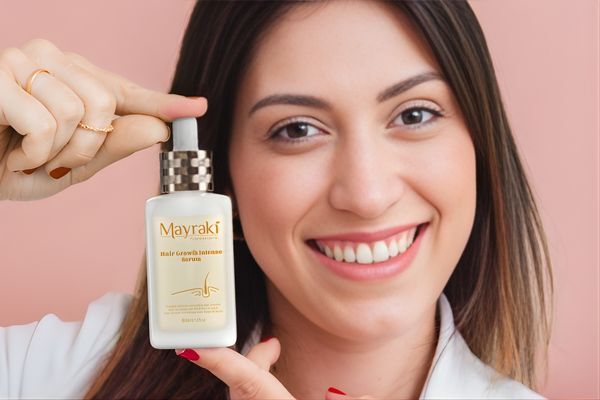
The combination of internal nourishment and external treatment is more effective than depending on a single method. While vitamins for hair growth support the body internally, Mayraki Professional’s hair growth product range helps stimulate follicles and improve the scalp environment externally. Together, they enhance regrowth and protect new strands as they develop.
Mayraki Professionali products improve scalp condition through gentle yet effective formulations, creating a healthy environment for hair to thrive. When paired with the right nutrients, this holistic method leads to more reliable long-term results compared to using vitamins or topical products alone.
Frequently Asked Questions
Will hair grow faster with vitamins?
Hair may grow faster when nutrient deficiencies are corrected, but dramatic results are unlikely if a person already has a balanced diet. Genetics and the natural hair cycle still play major roles.
Can I take supplements even if I eat well?
Yes, but the effects may be minimal if your diet already provides sufficient nutrients. A health assessment can help determine what your body truly needs.
Do supplements replace shampoo, serums, or oils?
No, supplements cannot replace external care. Supplements work from the inside, while topical treatments like those from Hair Mayraki repair follicles and improve scalp condition.
Are they safe for long-term use?
Most supplements are safe when taken in proper doses and with medical guidance. Monitoring intake of fat-soluble vitamins is especially important to avoid toxicity.
When should I expect results?
Visible results usually appear within three to six months because of the natural pace of the hair cycle. Improvements happen faster when correcting confirmed deficiencies.
What if my hair loss is hereditary?
Hereditary hair loss cannot be fully reversed with supplements, but nutrition can support overall hair health and slow down further thinning. Combining supplements with effective topical treatments produces better outcomes.
Nourish from the Inside-Out
Overall, vitamins for hair growth are valuable tools in improving hair health, especially when nutrient deficiencies contribute to thinning or shedding. However, they are not miracle cures and are most effective when paired with a healthy lifestyle, proper diet, and a complete hair-care routine. Combining internal nutrition with external treatments such as the natural hair growth solutions offered by Mayraki Professional creates a strong foundation for long-term hair wellness. Through this holistic approach, achieving healthier, fuller, and more vibrant hair becomes far more attainable.