


The Role of Biotin in Men’s Hair Growth: What Science Says and How to Use It
Nov 27, 2025 | By Maria Eliza Pineda
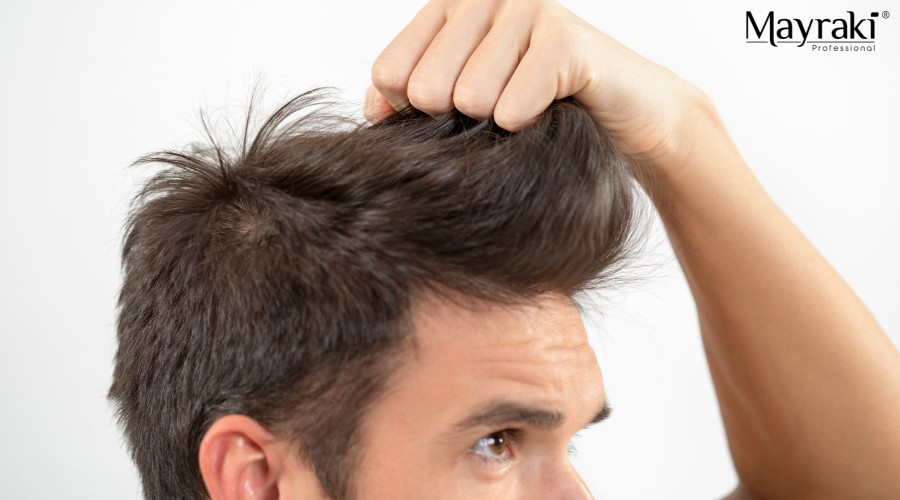
These days, biotin is often advertised as a key ingredient for hair growth and is found in everything from shampoos to supplements. But how effective is it really, especially for men who experience hair thinning or hair loss? In this article, we’ll explore the science behind biotin, how it helps promote healthy hair, when it works best, and how to use it safely. The goal is to provide a balanced perspective, not hype, but real, evidence-based insight.
What Is Biotin and Why It’s Linked to Hair Health
Biotin, also known as vitamin B7, is a water-soluble B-vitamin that plays an essential role in the body’s metabolism. It helps in the production of fatty acids, amino acids, and glucose, which supply energy to cells, including those in the hair follicles.
Biotin and Keratin Synthesis
Biotin acts as a coenzyme involved in the production of keratin, the protein that makes up your hair, skin, and nails. This means it plays a key role in maintaining healthy hair structure. When your body has enough biotin, your hair tends to be stronger, less brittle, and naturally shinier.
Effects of Biotin Deficiency
When biotin levels are low, you may experience hair thinning, brittle strands, and slow hair growth. In severe deficiency, it can even cause skin rashes and weak nails. Maintaining the right biotin levels is therefore vital not just for hair health, but for overall wellness.
Evidence: Biotin and Hair Growth in Men
Biotin in Men with Deficiency
According to clinical studies, biotin supplementation can effectively help men who have a biotin deficiency. In such cases, users often see a noticeable improvement in hair strength and density after consistent use. This shows that biotin directly supports hair follicle health when deficiency is present.
Biotin in Healthy Individuals
On the other hand, men with normal biotin levels usually don’t see a major difference in hair growth even after taking extra supplements. Many hair growth products combine biotin with other nutrients like zinc, iron, or collagen, making it difficult to identify which ingredient causes the improvement. In short, biotin works best as a supportive nutrient, not as a stand-alone solution for hair loss.
Biotin and Male Hair Loss (Androgenetic Alopecia)
Hormonal and Genetic Causes of Hair Loss
Male pattern baldness is mainly caused by the hormone DHT (dihydrotestosterone), which shrinks the hair follicles over time. When this process continues, hair gradually becomes thinner until it stops growing. Because of this, biotin alone is not enough to prevent this type of hair loss.
The Role of Biotin in DHT-Driven Hair Loss
There is no strong evidence showing that biotin can block DHT or alter the hormonal imbalance that leads to androgenetic alopecia. However, it may still serve as a supportive vitamin, helping improve scalp condition and strengthen existing hair. This makes hair more resilient against further damage, even if biotin doesn’t directly stop hair loss.
Proper Usage and Dosage Guidelines
Recommended Daily Intake
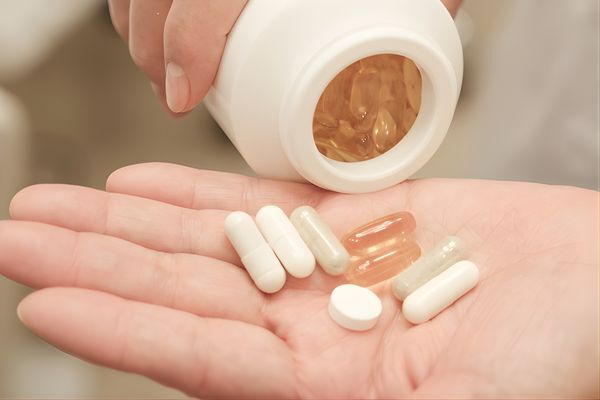
The typical adequate intake (AI) of biotin for adults is around 30 micrograms per day. Some hair supplements contain much higher doses ranging from 2,500 to 10,000 micrograms, but these aren’t always necessary if your diet is already balanced. Following the proper dosage helps avoid potential side effects.
When Higher Doses Are Needed
Higher doses may be recommended by a doctor if you have a clinical biotin deficiency or if your hair loss is linked to nutrient deficiency. Medical guidance is crucial because not all cases of hair loss are due to vitamin shortage. Proper diagnosis helps prevent misuse of supplements and ensures safety.
Oral vs. Topical Biotin
Oral biotin is absorbed by the body and directly aids keratin synthesis from within. Meanwhile, topical biotin (found in serums or shampoos) may help with scalp nourishment and hair strength, but evidence on its effectiveness in stimulating new hair growth is limited. The best approach is to combine a healthy diet with oral supplementation for optimal results.
Risks and Precautions
Interference with Laboratory Tests
Excessive biotin intake can interfere with lab test results, especially those related to thyroid and hormone levels. This may lead to false readings and incorrect medical interpretations. Always inform your doctor if you’re taking biotin before undergoing any blood tests.
False Expectations and Overuse
Many brands market biotin as a “miracle cure” for baldness, but this is misleading. Biotin is not a treatment for male pattern baldness, only a supporting nutrient for healthy hair. Overuse won’t speed up hair growth and may even cause acne or digestive discomfort in some people.
Possible Side Effects
Although rare, some individuals experience skin breakouts, bloating, or stomach upset after taking biotin supplements. These effects usually occur due to very high doses or individual sensitivities. If symptoms appear, stop use immediately and consult a healthcare professional.
Foods Rich in Biotin
Cooked Eggs
Eggs, particularly the yolk, are among the richest natural sources of biotin. They should be cooked properly because raw egg whites contain avidin, a protein that inhibits biotin absorption. Regularly eating eggs also provides protein, which strengthens hair from the roots.
Liver and Beef
Liver is naturally rich in biotin and other B-vitamins that support metabolism and cell repair. Beef is another great source of iron and zinc, both essential for maintaining hair follicle health. Including these foods in your diet can help maintain stronger and thicker hair.
Nuts, Seeds, and Legumes
Nuts and seeds like almonds, sunflower seeds, and walnuts are excellent sources of biotin and omega-3 fatty acids, which nourish the scalp. Meanwhile, legumes such as mung beans and soybeans provide plant-based protein that supports keratin production. These can easily be added to your daily meals as healthy snacks or side dishes.
Whole Grains and Sweet Potatoes
Whole grains and sweet potatoes are nutrient-dense sources of biotin and fiber. They also support good digestion, which is essential for nutrient absorption. Regular consumption of these foods enhances your nutritional hair support naturally.
How to Include Biotin in Your Hair Growth Plan
Care for Your Scalp
A clean scalp is the foundation of healthy hair. Keep it free from dandruff and product buildup to allow hair follicles to breathe properly. Use mild shampoos and scalp treatments made with natural ingredients for balanced moisture and protection.
Eat a Balanced Diet
A nutritious diet provides all the essential vitamins and minerals your hair needs, not just biotin. Include foods rich in protein, iron, zinc, and B vitamins to strengthen your hair roots. Eating well every day is far more effective than relying solely on supplements.
Use Natural Hair Care Products
Choose hair care products with natural, gentle ingredients. For example, Mayraki Professional offers products formulated to support hair growth naturally. These help restore hair strength and vitality without irritating the scalp.
Manage Stress and Get Enough Sleep
Stress and lack of sleep can disrupt hormone balance and trigger hair loss. Set aside time to relax, rest, and engage in calming activities. By maintaining a healthy mind and body, your hair care routine becomes more effective.
Choose a Holistic Hair Care Routine
Combine proper nutrition, regular scalp care, and safe, science-backed products to achieve the best results. Mayraki Professional offers natural and effective solutions for men who want thicker and healthier hair. With consistency and discipline, visible improvements can happen over time.
Biotin in Men’s Hair
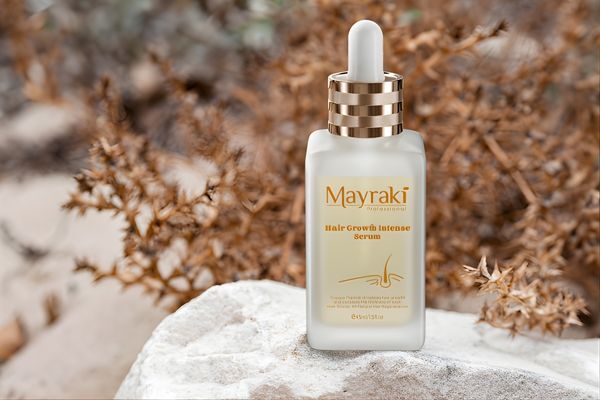
Biotin is an important vitamin that supports keratin production and hair health, especially in cases of nutritional deficiency. However, it’s not a cure for male pattern baldness or hormone-related hair loss. The best approach is to make biotin part of a comprehensive hair care strategy alongside proper diet, scalp maintenance, and natural products such as those from Mayraki Professional. Before taking high doses of biotin or any supplement, consult your doctor to ensure it’s right for you. With the right knowledge and balanced use, achieving healthier, stronger, and thicker hair is entirely possible.