


Spring Fine Curly Hair Moisture Checklist
Jun 03, 2026 | By Maria Eliza Penida

Having fine curly hair can be challenging, especially when it comes to maintaining moisture. Because the strands are thinner, they tend to dry out faster and become more prone to frizz, particularly during the unpredictable spring climate. For busy individuals, it can be difficult to dedicate time to a long and complicated hair routine. That’s why having a simple yet effective checklist for moisture sealing and smoothing is essential.
With the right routine and an at-home keratin treatment, it’s possible to achieve smooth, hydrated, and manageable curls even with limited time. The goal of this article is to provide you with a practical and easy-to-follow guide. You don’t need to spend a lot or go to a salon to achieve healthy hair. Instead, you can do it at home with the right knowledge and products.
Why Fine Curly Hair Struggles to Retain Moisture
Fine curly hair has a unique structure that makes moisture retention more difficult. Because of the natural bends in the hair, scalp oils have a harder time traveling down to the ends. Additionally, thinner strands are more vulnerable to environmental factors like humidity and heat. This is why fine curls tend to frizz and dry out quickly.
Maintaining the right balance between hydration and lightweight products is key to keeping hair healthy. Heavy products can weigh curls down, while not enough moisture leads to dryness. Understanding your hair’s needs allows you to build a more effective routine. With the right approach, managing fine curly hair becomes much easier.
The Busy Person’s Moisture-Sealing Checklist
Pre-Wash Prep
Before washing your hair, it’s important to prepare it so it can better absorb moisture. Use a lightweight oil or leave-in spray to help with detangling. Avoid heavy products that may cause buildup. This simple step helps improve the effectiveness of your cleansing routine.
Gentle Cleansing Routine
Choose a sulfate-free shampoo to avoid stripping your hair’s natural oils. Washing too frequently can lead to dryness, so limit it to 2–3 times per week. Make sure your scalp is clean while maintaining hydration in your strands. A proper cleansing routine is the foundation of healthy hair.
Conditioning for Lightweight Hydration
Conditioner is essential for restoring moisture to your hair. Choose a lightweight formula that won’t weigh down your curls. Focus application on the mid-lengths to ends to avoid an oily scalp. Proper conditioning improves softness and manageability.
Moisture Sealing Step
After conditioning, it’s important to seal in moisture using a leave-in conditioner. You can also add a light oil or serum to help lock in hydration. Avoid using too much product to prevent buildup. This step is key to maintaining long-lasting moisture.
Quick Drying & Styling
For a busy lifestyle, opt for air-drying or low-heat diffusing. Use curl-enhancing products sparingly. Avoid touching your hair too much while it dries to prevent frizz. A simple styling routine saves both time and effort.
At-Home Keratin Smoothing Routine for Fine Curly Hair
Keratin treatment is an effective way to smooth hair and lock in moisture. It doesn’t have to completely straighten your curls but instead improves texture and reduces frizz. For busy individuals, it’s a convenient solution that delivers long-lasting results. It can easily be done at home without professional help.
Step-by-Step Routine
Start with clean hair to allow better absorption of the keratin treatment. Apply the product evenly from roots to ends. Follow the recommended processing time before rinsing or sealing with heat. Finish with light styling to maintain your natural curls.
Mayraki Organic Hydrolyzed Keratin Instant Smoother System for a Natural Alternative
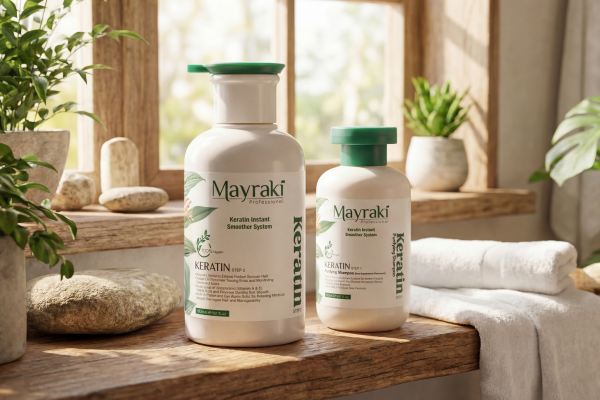
The Mayraki Organic Hydrolyzed Keratin Instant Smoother System is aproduct is specially formulated for at-home use and delivers salon-like results. It helps smooth frizz while maintaining the natural movement of your hair. Its lightweight formula makes it ideal for fine curly hair that gets easily weighed down. It’s a practical choice for busy individuals who want manageable and healthy hair.
Common Mistakes to Avoid
Using Heavy Products on Fine Curly Hair
One of the most common mistakes is using heavy oils and creams that are not suitable for fine hair. Because the strands are thin, they can easily become weighed down and lose volume when overloaded with product. Instead of looking smooth and defined, curls may appear greasy and flat. It’s better to choose lightweight formulations that seal moisture without adding heaviness.
Overusing Protein Treatments
While keratin and other proteins are beneficial for hair, too much can lead to brittleness. Fine curly hair is sensitive to protein overload, which can cause stiffness and breakage. If your hair starts to feel dry and straw-like, it may be a sign of excess protein. Balance your routine by incorporating moisturizing products.
Skipping the Moisture Sealing Step
Many people apply conditioner but forget to seal in the moisture afterward. Without a sealing step, hydration quickly escapes from the hair. This is why frizz returns soon after washing. Using a leave-in conditioner and light oil helps maintain moisture throughout the day.
Excessive Heat Styling
Frequent use of heat tools like blow dryers and flat irons can damage fine curly hair. Because the strands are thinner, they dry out and become brittle more quickly when exposed to heat. Even if you use keratin treatments, it’s important to limit heat styling. When necessary, use low heat settings and apply a heat protectant.
Not Adjusting to Spring Weather Changes
Spring weather changes can significantly affect your hair. Sometimes the air is humid, and other times it is dry, both of which impact moisture balance. If you don’t adjust your routine, frizz or dryness may worsen. It’s important to update your products and techniques based on the season.
Spring Hair Care Tips for Fine Curly Hair
Adjust Your Routine to Changing Humidity
Spring is known for fluctuating humidity levels that can affect your curls. High humidity can lead to frizz, while low humidity can cause dryness and brittleness. Use anti-frizz and hydrating products depending on the weather conditions. This helps maintain balance in your hair.
Keep Hair Hydrated Without Weighing It Down
Fine curly hair needs enough hydration without becoming heavy. Water-based leave-in conditioners are ideal for maintaining moisture. Avoid excessive layering of products, as this can lead to buildup. The goal is to keep curls hydrated while remaining light and bouncy.
Protect Your Hair from Sun Exposure
As temperatures rise, sun exposure increases as well. UV rays can cause dryness and damage to the hair cuticle. Use hair products with UV protection or wear a hat when spending long periods outdoors. This helps maintain moisture and overall hair health.
Minimize Friction on Hair
Friction from towels, pillowcases, or clothing can cause frizz and breakage. During spring, when hair is more exposed to environmental elements, it’s even more important to reduce friction. Use a microfiber towel or a cotton shirt to dry your hair. Sleeping on a silk or satin pillowcase also helps maintain smooth curls.
Pro Tips for Long-Lasting Moisture and Smoothness
Use a Water + Leave-In Spray for Quick Refresh
You don’t always need to wash your hair to revive your curls. A simple spray made of water and leave-in conditioner can refresh your hair effectively. It helps restore curl definition and moisture. This is a quick and convenient solution for busy individuals.

Sleep on a Silk or Satin Pillowcase
Cotton pillowcases absorb moisture from your hair and create friction. Using silk or satin pillowcases helps retain hydration. It also reduces tangles and frizz when you wake up. This small change can make a big difference in hair health.
Use a Microfiber Towel for Drying
Regular towels can roughen the hair cuticle and cause frizz. A microfiber towel is gentler and helps reduce frizz. It also speeds up drying time without damaging the hair. This is a practical upgrade for a better hair routine.
Maintain a Consistent Weekly Routine
Consistency is key to healthy and moisturized hair. A single treatment is not enough without a proper routine. Set a schedule for washing, conditioning, and keratin treatments. This helps keep your hair manageable and predictable.
FAQ: Frequently Asked Questions
Can keratin treatments damage fine curly hair?
When used properly, keratin treatments can help strengthen and smooth the hair. They are not damaging if applied at the correct frequency and according to instructions. It’s also important to use moisturizing products alongside them. Balance is key to avoiding damage.
How often should I do an at-home keratin treatment?
This depends on your hair condition and the product instructions. Typically, it is done every few weeks to maintain smoothness. Avoid doing it too frequently to prevent protein overload. Observe your hair to determine when it needs another treatment.
Will keratin treatments make my curls disappear?
Keratin treatments do not necessarily remove curls. Lightweight formulas help reduce frizz and smooth the strands. Your natural curl pattern remains intact. In fact, curls often look more defined and manageable.
What’s the best way to seal moisture in fine curly hair?
The most effective method is using a leave-in conditioner followed by a light oil or serum. This helps lock in hydration within the hair. Avoid heavy products that can weigh down curls. The right combination provides long-lasting moisture.
Can I skip the keratin step and still seal moisture?
Yes, you can still seal moisture without a keratin treatment. However, keratin adds extra smoothness and protection. It helps enhance the effectiveness of moisture sealing. This makes it a great optional step for better results.
Seal the Deal
Moisture sealing for fine curly hair doesn’t have to be complicated or time-consuming. By following the right checklist and using lightweight products, you can maintain hydration and smoothness. Adding an at-home keratin smoothing routine provides long-term benefits, especially for busy lifestyles. With consistency and the right approach, you can achieve healthy, frizz-free, and manageable curls every day.