


Sensitive Scalp Spring Curly Hair Routine
Jun 03, 2026 | By Maria Eliza Penida
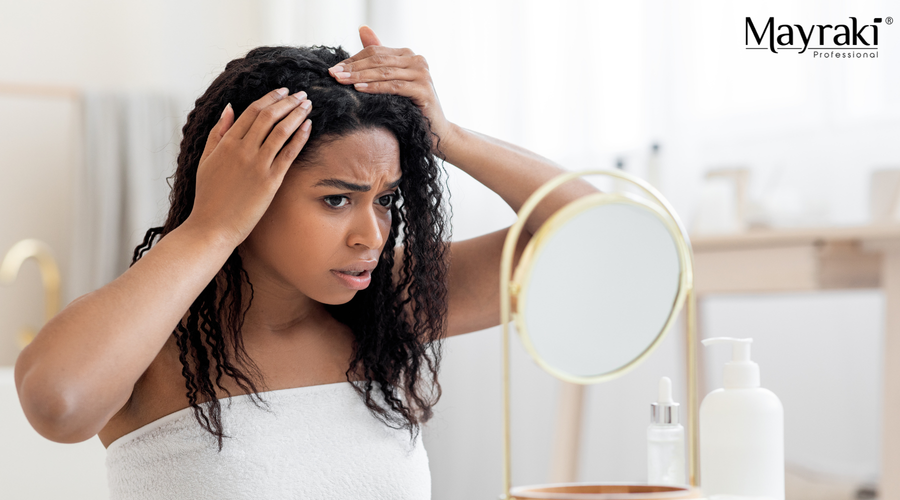
During the spring season, the weather becomes more unpredictable—hot in the morning, humid in the afternoon, and often filled with dust and allergens in the air. For those with curly hair and a sensitive scalp, this is the time when itchiness, redness, and irritation are more likely to occur.
When the wrong routine or heavy products are used, it can worsen scalp conditions and affect curl definition. In addition, humidity contributes to frizz and buildup, making hair care more challenging. Because of this, it’s important to follow a weightless moisture wash routine that provides hydration without irritating the scalp.
Why Sensitive Scalps Need a Specialized Routine for Curly Hair
Curly hair is naturally drier compared to other hair types because natural oils have a harder time traveling down the hair strands. This means it requires more moisture to stay soft and defined. However, if you have a sensitive scalp, not all moisturizing products are suitable since they can trigger irritation. Many heavy formulations benefit the hair but can negatively affect the scalp. The key goal is to find the right balance between hydration and gentleness for both the scalp and hair.
Common Mistakes to Avoid
Using Heavy Oils and Butters on the Scalp
Many people believe that more oil equals healthier hair, but this is not always true especially for sensitive scalps. Heavy oils and thick butters can clog pores on the scalp, leading to itchiness and buildup. Instead of helping, they can weigh down curls and make them look flat. It’s better to apply these richer products only to the ends of the hair where moisture is needed most. This way, you nourish your curls without compromising scalp health.
Overwashing or Underwashing
The frequency of washing your hair plays a crucial role in scalp health. Washing too often strips away natural oils that protect the scalp, leading to dryness and irritation. On the other hand, washing too infrequently allows sweat, oil, and product buildup to accumulate. This imbalance can worsen sensitivity and cause discomfort. Finding the right washing schedule based on your lifestyle and hair needs is essential.
Ignoring Product Ingredients
One of the most overlooked aspects of hair care is checking product ingredients. Many products contain harsh sulfates, artificial fragrances, and alcohols that can irritate a sensitive scalp. Even if a product delivers good results on the hair, it’s not worth it if it compromises scalp health. Being mindful of ingredients helps prevent unnecessary reactions. In the long run, using gentle and safe formulations leads to healthier hair and scalp.
Scratching or Aggressive Scalp Handling
When your scalp feels itchy, it’s tempting to scratch it, but doing so aggressively can create bigger problems. Using your nails can damage the scalp and cause micro-tears that lead to inflammation. Instead of relief, this often makes the condition worse. It’s better to use your fingertips for a gentle massage when washing your hair. This approach cleans the scalp effectively without causing harm.
Skipping Conditioner
Some people avoid conditioner out of fear that it will cause buildup or make hair greasy. However, skipping conditioner often results in dry, frizzy, and unmanageable curls. Hair that lacks moisture is more prone to breakage and dullness. The solution is not to skip conditioning but to choose a lightweight formula. With the right product, you can achieve hydration without weighing down your hair or irritating your scalp.
Weightless Moisture Wash Routine for Sensitive Scalps and Curly Hair
Pre-Wash Preparation
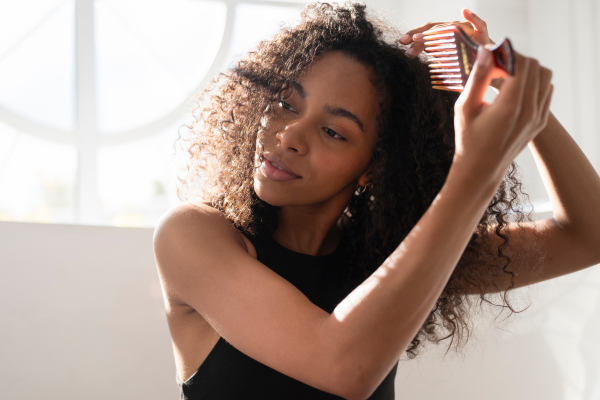
Before washing your hair, it’s important to prepare it to minimize stress on both strands and scalp. Gently detangle using a wide-tooth comb or your fingers to reduce breakage. You may also use a light pre-treatment if needed to help relax the hair. This step helps make the washing process smoother and more manageable. Proper preparation ensures a gentler and more effective routine overall.
Gentle Cleansing
Choosing the right shampoo is critical for a sensitive scalp. It should be sulfate-free and have mild cleansing properties to avoid stripping natural oils. When applying, use your fingertips to massage the scalp instead of your nails. Gentle cleansing removes dirt and buildup while preserving the scalp’s natural barrier. This helps keep the scalp clean, balanced, and healthy.
Lightweight Conditioning
Conditioner is an essential step, especially for curly hair. Apply it mainly to the mid-lengths and ends to avoid buildup on the scalp. Choose a formula that provides moisture without feeling greasy or heavy. Lightweight conditioning helps maintain softness and elasticity in curls. As a result, hair becomes more manageable and better defined.
Proper Rinsing
Rinsing thoroughly is just as important as applying the product itself. Any leftover residue can cause itchiness and irritation on the scalp. Make sure to rinse your hair completely using lukewarm water. Proper rinsing helps prevent buildup and discomfort. It also improves the overall feel and cleanliness of your hair after washing.
Post-Wash Care
After washing, it’s important to maintain hydration without weighing down the hair. Use lightweight leave-in products that provide moisture and help control frizz. Avoid heavy styling creams that may cause buildup on the scalp. Proper post-wash care helps keep curls healthy and defined throughout the day. With consistency, your hair and scalp will feel more balanced over time.
Spring Hair Care Tips for Sensitive Scalps
Avoiding Excess Sweat and Buildup
Spring weather often brings increased heat and humidity, leading to more sweating. Sweat can contribute to buildup if not properly cleansed from the scalp. When it accumulates, it can trigger irritation and itchiness. Maintaining a consistent washing routine helps prevent these issues. Keeping your scalp clean is key to avoiding discomfort.
Protecting Against Dust and Allergens
Pollen and dust are common during spring and can worsen scalp sensitivity. When these particles settle on your hair and scalp, they may cause irritation. It’s helpful to protect your hair by tying it up or covering it when going outside. Washing your hair after exposure to pollutants can also reduce reactions. This minimizes the risk of scalp discomfort.
Choosing Relaxed Hairstyles
Tight hairstyles can put unnecessary stress on the scalp. Constant tension can lead to discomfort and even irritation over time. It’s better to choose loose and breathable styles that don’t pull on the roots. This approach keeps your scalp comfortable while maintaining your hairstyle. It also supports better overall scalp health.
Pro Tips for Managing a Sensitive Scalp with Curly Hair
Introduce Products One at a Time
Using multiple new products at once makes it difficult to identify what may be causing irritation. It’s better to introduce products gradually into your routine. This allows you to monitor how your scalp reacts to each one. By doing so, you can easily pinpoint which products work for you. This method helps prevent unnecessary reactions.
Keep Your Routine Simple
A complicated routine isn’t always more effective. In fact, using too many products can increase the risk of buildup and irritation. A simple routine is easier to follow and maintain consistently. Consistency is one of the most important factors in achieving healthy hair and scalp. Focusing on essential steps often delivers better long-term results.
Prioritize Scalp Health
Many people focus only on the appearance of their hair, but the scalp is the foundation of healthy growth. If the scalp is unhealthy, the hair will not thrive. Taking care of your scalp should always be a priority in your routine. With gentle care and the right products, both your scalp and hair will improve. This is the key to long-term hair health.
Ingredients to Look For and Avoid
Aloe Vera
Aloe vera is known for its calming and hydrating properties. It helps reduce irritation and redness on the scalp. Because it is lightweight, it doesn’t weigh down the hair or cause buildup. It is commonly used in products designed for sensitive scalps due to its gentle nature. Regular use helps maintain a healthy scalp environment.
Chamomile
Chamomile has natural anti-inflammatory properties that help soothe an irritated scalp. It also provides a mild conditioning effect on the hair. Using chamomile-infused products can reduce discomfort and itchiness. It’s a great option for those looking for natural ingredients. Overall, it offers a gentle yet effective solution.
Glycerin
Glycerin is a humectant that attracts moisture to the hair. This helps keep curls hydrated without making them greasy. It is ideal for sensitive scalps because it is non-irritating. It also helps maintain softness and elasticity in the hair. When used properly, it creates a balance between moisture and comfort.
Sulfates
Sulfates are commonly used in shampoos for strong cleansing. However, for sensitive scalps, they can be too harsh and lead to dryness. When natural oils are stripped away, the scalp becomes more prone to irritation. That’s why it’s best to avoid products with high sulfate content. Choosing sulfate-free alternatives is safer for long-term scalp health.
Artificial Fragrances
Artificial fragrances are one of the leading causes of scalp reactions. While they make products smell pleasant, they can trigger itchiness and redness. Those with sensitive scalps should be especially cautious of this ingredient. It’s better to choose fragrance-free or naturally scented products. This reduces the risk of irritation.
Heavy Silicones
Silicones are often used to make hair feel smooth and shiny. However, heavy silicones can lead to buildup, especially if they are not easily washed out. For sensitive scalps, this buildup can cause discomfort and itchiness. If not properly removed, it may clog pores on the scalp. Choosing lightweight or silicone-free products is a better option.
The Mayraki Ultra-repairing & Weightless Moisture Shampoo as Your Wash-Day Regular
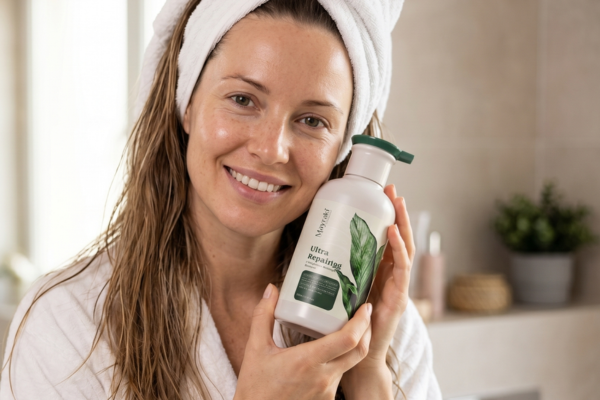
For those looking for a gentle yet effective solution, the Mayraki Ultra-Repairing & Weightless Moisture Shampoo is the perfect wash-day companion for sensitive scalps and curly hair. It is formulated to provide hydration without causing heaviness or irritation. It also helps remove buildup while maintaining the scalp’s natural balance. Because of its lightweight formulation, it is ideal for the spring season when humidity and sweat levels are higher. With consistent use, the scalp becomes healthier, and curls appear more defined.
FAQ: Frequently Asked Questions
How often should I wash curly hair with a sensitive scalp?
It is generally recommended to wash your hair two to three times per week. This can vary depending on your lifestyle, especially if you sweat frequently. The right frequency helps prevent buildup and irritation. Using a gentle shampoo also helps protect the scalp barrier.
Can I use oils on a sensitive scalp?
Yes, but you need to be careful when choosing oils. Lightweight oils in small amounts are the best option. Overusing oils can lead to buildup and irritation. Controlled and minimal application is key.
Why does my scalp itch after washing?
This may be caused by product residue from improper rinsing. It could also be due to harsh ingredients that don’t suit your scalp. Overwashing can also lead to dryness and sensitivity. To avoid this, use gentle products and rinse thoroughly.
Are natural products always safe?
Not all natural products are safe for sensitive scalps. Some natural ingredients can still trigger allergic reactions. That’s why patch testing is still important before full use. “Natural” does not always mean hypoallergenic.
What is the best routine for spring?
The best routine is lightweight and breathable. It should focus on gentle cleansing and proper hydration. Avoid heavy products that can cause buildup. This type of routine helps maintain both scalp comfort and curl definition.
Weightless Curls
Caring for your curls means taking extra caution to cleanse your hair without stripping your scalp of moisture or weighing it down with excess oil or product. It’s all about finding the perfect balance and using products that cleanse your hair thoroughly while still maintaining moisture and hydration. Once you find this balance, your curls will be more defined, feel bouncy and weightless, and your scalp will feel fresh and wonderful.