


How to Repair Chemically Damaged Hair
Dec 30, 2025 | By Edss Tolentino

Repairing chemically damaged hair starts with understanding what’s really going on beneath the surface. When your strands have been overexposed to dye, bleach, straightening treatments, or perms, the structure weakens. It leaves hair brittle, dull, and prone to breakage. It’s frustrating, but it’s also fixable with the right approach. Instead of piling on more harsh treatments, choosing gentle, natural repair gives your hair a real chance to recover. Let’s get you on the path to stronger, softer hair.
What Happens When Hair Is Chemically Treated?
Chemical styling can be exciting, new color, smoother texture, or fresh curls, but it also changes your hair at its core. Every time you bleach, dye,e and straighten, the chemicals break down the internal bonds that keep your strands strong and flexible. These treatments also strip away natural moisture and protective lipids, which makes chemical hair treatment damage almost unavoidable when done frequently or aggressively.
Once those bonds weaken, the signs start showing up fast, like frizz that won’t calm down, persistent dryness, snap-prone strands, dullness, and the dreaded split ends. If you’re noticing these, you’re already seeing the early stages of damage. This is exactly where damaged hair recovery begins.
Understanding how to repair chemically damaged hair is all about giving your strands what they’ve lost. Natural approaches are often gentler and far more sustainable for long-term repair. Natural hair repair methods like using aloe vera, plant oils, and botanical masks help replenish moisture without adding more stress to fragile strands.
The Two Essentials for Repair: Strength and Moisture
Real damaged hair recovery depends on rebuilding two things your hair has lost: strength and moisture. Mastering both is the foundation of how to repair chemically damaged hair. It’s easier than you might think when you follow a balanced, consistent routine.
Why Strength (Protein) Matters
Chemical processes break down keratin bonds, leading to weak, stretchy, or brittle strands. This is where targeted protein care is vital.
- A good hair protein treatment restores missing keratin and improves elasticity.
- Protein helps repair internal gaps caused by chemical hair treatment damage.
- It’s essential for keeping your hair resilient enough to avoid hair breakage.
- Too much protein can make hair stiff, so balancing it with moisture is key.
Why Moisture (Hydration) Matters
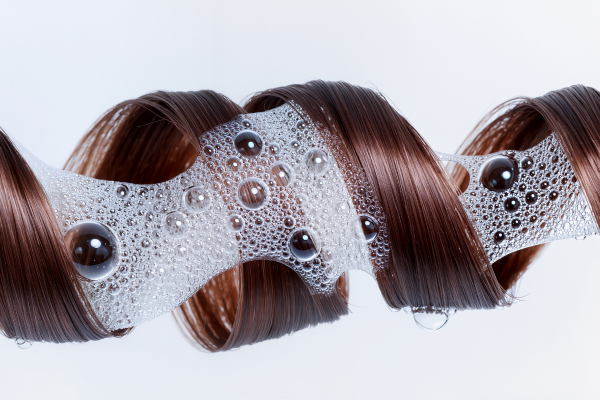
Dryness is one of the first signs of chemical stress, and without proper hydration, breakage becomes inevitable.
- Deep conditioning for damaged hair replenishes softness and flexibility.
- Moisture smooths the cuticle, reduces frizz, and keeps your ends from snapping.
- A weekly hair mask for chemically treated hair boosts hydration at a deeper level.
- Nourishing hair oils for damage like argan, coconut, or sweet almond help lock in moisture and shield your strands from future dryness.
The Balance Between Strength and Moisture
Your hair doesn’t need one or the other. It needs both, and in the right amounts.
- Alternate between protein-rich treatments and hydrating masks for steady recovery.
- Pay attention to how your hair reacts. If it feels mushy, then add more protein. On the other hand, if it feels stiff or dr,y then add more moisture.
- Combine treatments with gentle hair care for damage, such as soft towel-drying, low-heat styling, and protective hairstyles.
Natural Hair Repair Methods
1. Use Sulfate-Free Shampoos
Choosing a sulfate-free shampoo for damaged hair prevents further stripping of natural oils. It helps retain moisture and prevent additional protein loss in the hair shaft. Cleanses gently without raising or roughening the cuticle. Sets the foundation for all other natural hair repair methods.
2. Deep Conditioning
Hydration is one of the biggest needs after chemical hair treatment damage. Deep conditioning for damaged hair restores softness and flexibility. It encourages deep hydration for hair that’s dry, brittle, or frizzy. Look for moisturizing hair masks that nourish from roots to ends. Additionally, it enhances hair elasticity restoration, especially when paired with protein care.
3. Natural Oils for Moisture & Protection
Oils support recovery and help avoid hair breakage by coating and sealing fragile strands. Use nourishing hair oils for damage, such as coconut, olive, argan, or jojoba. It is ideal for sealing in moisture after washing. Also, it helps reinforce weakened cuticles and protect the hair shaft from friction.
4. Keep Heat Styling to a Minimum
High heat is the enemy of hair cuticle repair. Opt for reduced heat styling whenever possible. Air dry instead of blow-drying on high heat. Always use a heat protectant when you must style. Moreover, it prevents further dryness and lowers the risk of breakage.
5. Practice Gentle Detangling
Your hair is most vulnerable when wet, and you treat it with patience. Use wide-tooth combs or finger detangle. Then avoid brushing hair when it’s soaking wet. It reduces tension that can worsen chemical hair treatment damage. Supports long-term,m gentle hair care for damage.
6. Try Hair Masks & Bond-Repair Treatments
Apply a hair mask for chemically treated hair weekly. Choose formulas with ingredients that support bond-repair hair treatment. It helps replenish both structure and moisture. Works beautifully alongside your hair protein treatment routine.
7. Nourish the Scalp
Healthy hair starts at the roots. Focus on scalp nourishment and care with gentle oils or hydrating tonics. Avoid harsh scrubbing or strong cleansers. A balanced scalp supports stronger new growth.
8. Trim Split Ends Regularly
No product can permanently restore a split end. But you can stop them from traveling up the strand. Schedule trims to trim split ends regularly. It keeps damaged ends from worsening. Additionally, it helps your hair look smoother and healthier during recovery.
Repairing Chemically Damaged Hair
If your goal is repairing chemically damaged hair, the best results come from consistency. A structured weekly routine helps rebuild strength, restore softness, and protect your strands as they heal from chemical hair treatment damage.
-
Gentle Cleansing
Use a sulfate-free shampoo for damaged hair to prevent dryness and protein loss in the hair shaft. Focus on the scalp because cleansing here supports healthy scalp nourishment and care. Then rinse with lukewarm water to protect the cuticle and encourage hair cuticle repair. This step sets the foundation for all your natural hair repair methods.
-
Deep Conditioning
Choose deep conditioning for damaged hair to provide deep hydration for hair. Alternate between protein-based formulas and moisturizing hair masks to balance strength and softness. It helps restore bounce, smoothness, and hair elasticity. Add a hair mask for chemically treated hair when your strands feel extra dry or brittle.
-
Oil Treatment
Use nourishing hair oils for damaged locks, such as argan, coconut, or jojoba. Apply from mid-length to ends or as an overnight treatment. Additionally, oils seal in moisture, reinforce cuticles, and prevent friction damage.
-
Protein & Bond Repair
A targeted hair protein treatment supports weakened strands and fills internal gaps. Add a bond-repair hair treatment if your hair has been bleached or heavily processed. This step combats long-term structural issues caused by chemical hair treatment damage.
-
Leave-In Serum
Look for lightweight serums that help with frizz, dryness, and flexibility. It provides ongoing protection that supports gentle hair care for damage. Also, it helps maintain hydration between wash days.
-
Minimal Heat & Limited Styling
Commit to reduced heat styling as much as possible. If you must use heat, apply a protectant every time. Swap tight hairstyles for loose, low-tension options to prevent breakage.
Wrap - Up
Repairing chemically damaged hair isn’t an overnight process, but it is absolutely possible with patience and consistency. Your strands can bounce back when you commit to gentle, sustainable routines that support real healing from the inside out.
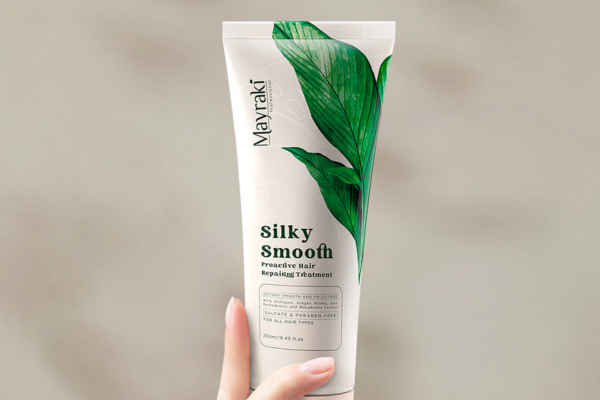
Leaning into natural care and incorporating Mayraki’s nourishing repair products gives your hair the best chance to rebuild strength. Be patient with yourself and trust the recovery process. Explore Hair Mayraki’s natural repair products for boosted results and share your journey to inspire others on their path to repairing chemically damaged hair.