


How to Protect Hair in Hard Water for Color-Treated Hair for Beginners In Winter
Mar 16, 2026 | By Maria Eliza Pineda

When your hair is color-treated, it becomes more sensitive to environmental stressors like hard water and cold weather. During the winter season or in colder, drier climates, hair tends to lose moisture faster, color fades more quickly, and strands become rough due to mineral buildup from hard water. For beginners, it can be confusing to understand why hair suddenly feels dull and dry even when you’re using good hair products. The solution doesn’t have to be complicated or heavy on products. Instead, a weightless moisture wash routine can help protect color-treated hair from hard water damage while maintaining hydration, shine, and smoothness without weighing it down.
What Is Hard Water and Why Does It Damage Color-Treated Hair?
Hard water is water that contains high levels of minerals such as calcium and magnesium. When used regularly for washing hair, these minerals accumulate on the hair shaft and leave behind residue that regular shampoo often cannot fully remove. For color-treated hair, this is especially problematic because the cuticle layer is already more open due to chemical processing.
When mineral buildup forms, it blocks moisture and nutrients from penetrating the hair. As a result, color appears dull, fades faster, and strands become dry and brittle. During winter, these effects worsen because cold air and indoor heating further contribute to moisture loss.
Signs Your Color-Treated Hair Is Affected by Hard Water
One of the earliest signs is hair that feels coated or filmy even right after washing. You may also notice that your hair color fades faster than expected and loses its shine despite using color-safe products. Hair can become frizzier, harder to manage, and more prone to tangling.
Why Winter Makes Hard Water Damage Worse
In winter, humidity levels drop, causing hair to lose moisture more quickly. When combined with hard water exposure, color-treated hair becomes even more dehydrated and vulnerable to fading and brittleness. Frequent hot showers can also open the hair cuticle further, allowing more minerals to attach to the strands.
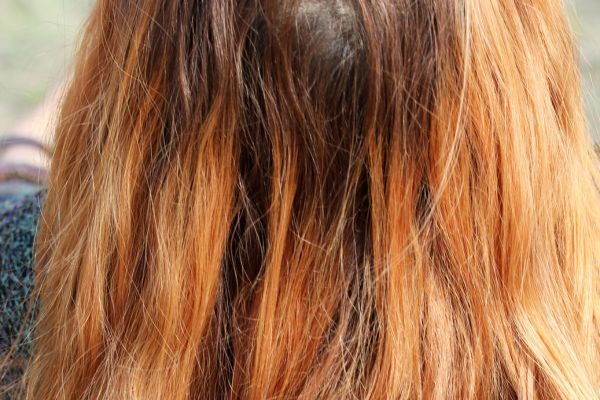
On top of that, indoor heating systems strip natural moisture from both hair and scalp. Even if you condition regularly, hydration may still feel insufficient if hard water buildup is present. That’s why a lightweight yet effective routine is especially important during colder months.
The Weightless Moisture Wash Routine (Step-by-Step)
Step 1: Pre-Rinse with Lukewarm Water
Before shampooing, rinse your hair with lukewarm water instead of very hot water. The right temperature helps gently open the cuticle without causing excessive dryness or damage. It also helps loosen surface minerals attached to the hair.
Step 2: Use a Gentle Chelating or Clarifying Shampoo (1–2x Weekly)
A chelating or clarifying shampoo is essential for removing mineral buildup caused by hard water. It doesn’t need to be used daily; once or twice a week is enough to maintain a clean hair surface without stripping natural moisture.
Step 3: Follow with a Weightless Moisture Shampoo
After occasional clarifying washes, use a weightless moisture shampoo on regular wash days. This type of shampoo delivers hydration without leaving heavy buildup that could trap minerals in the hair.
Step 4: Apply a Lightweight Conditioner (Mid-Lengths to Ends Only)
Proper conditioner application is key to protecting color-treated hair from dryness and breakage. Apply it only from the mid-lengths to the ends to avoid scalp buildup and keep the hair feeling light. Choose a conditioner with hydrating ingredients but a lightweight texture so it doesn’t weigh the hair down. This helps seal in moisture, smooth the cuticle, and reduce the impact of hard water on hair texture and color longevity.
Step 5: Finish with a Leave-In Heat & Mineral Shield
Leave-in products such as lightweight sprays or serums act as a protective barrier against environmental stressors. They help maintain moisture balance and shield hair from dryness caused by cold weather and mineral exposure.
Extra Beginner Tips to Minimize Hard Water Damage
A practical solution is installing a shower filter to reduce the mineral content in your water. You can also occasionally use a diluted apple cider vinegar rinse to help remove buildup and restore shine. Limiting overwashing and using a microfiber towel can reduce friction and dryness. During winter, gentle handling and minimal heat styling help preserve the strength and moisture of color-treated hair.
Common Mistakes to Avoid
One common mistake is over-clarifying, which can lead to excessive dryness and faster color fading. Using heavy hair masks at every wash may also cause buildup, especially when combined with hard water exposure. Skipping conditioner or applying oils to hair that still has mineral coating can worsen dullness and dryness. For beginners, a balanced and lightweight routine is more effective than layering too many products that may overload the hair.
Protect Your Locks from the Cold
Protecting color-treated hair from hard water during winter doesn’t have to be complicated. With a simple, weightless moisture wash routine, you can reduce mineral buildup, maintain hydration, and preserve your hair color’s vibrancy. With a consistent and beginner-friendly approach, your hair can stay manageable, shiny, and healthy even in hard water conditions. The right balance of gentle cleansing, lightweight moisture, and protective care is the key to keeping your color-treated hair looking its best all winter long.