


How to Prevent Receding Hairlines in Men: Effective Strategies That Truly Work
Dec 03, 2025 | By Maria Eliza Pineda
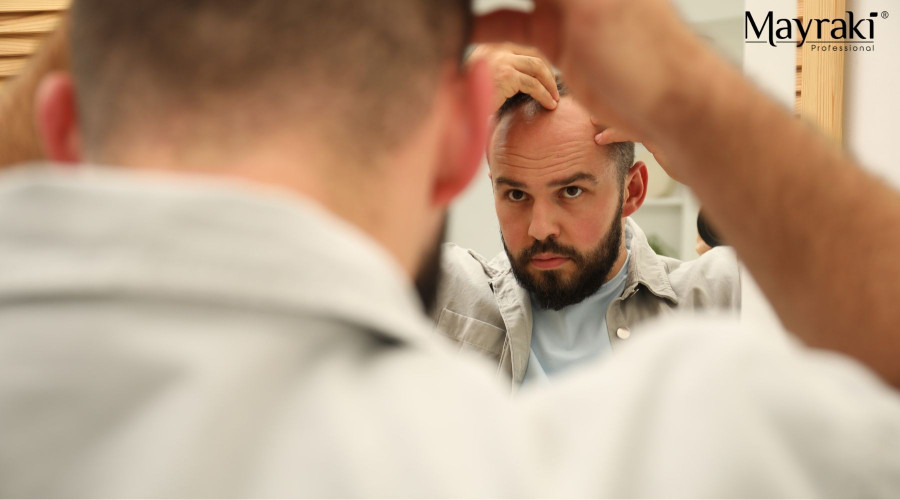
A receding hairline is one of the most common concerns among men, especially with age. It usually starts with hair thinning or moving backward at the temples, which can affect self-confidence and overall image. While not all causes are preventable, there are several ways to slow down or stop hairline recession. Find out more about the scientific explanations, natural approaches, and recommended products that help maintain a strong and healthy hairline.
Why Men Experience Hairline Recession
The Role of DHT and Androgenetic Alopecia
The main cause of hairline recession in men is androgenetic alopecia, or male pattern baldness. This condition stems from DHT sensitivity, which is where hair follicles are overly sensitive to the hormone dihydrotestosterone (DHT). Over time, excess DHT leads to hair follicle miniaturization, causing the follicles to shrink and eventually stop producing new hair.
Hair Growth Cycle Disruptions
When the natural hair growth cycle is disrupted, the growth phase (anagen) becomes shorter while the resting phase (telogen) becomes longer. As a result, more hair falls out than grows back. This imbalance contributes significantly to gradual hairline thinning and loss.
External Factors: Styling Habits, Poor Scalp Care, and Stress
External habits also play a huge role in hairline health. Tight hairstyles such as ponytails, braids, or fitted hats can cause traction alopecia, which weakens the front hairline. Poor scalp hygiene leads to inflammation and clogged follicles, while chronic stress triggers hormonal imbalance and oxidative stress in the scalp, which accelerates hair loss.
Leading Treatments for a Receding Hairline
Topical Minoxidil
Minoxidil is a proven topical treatment that enhances blood flow to the scalp. Better circulation means more oxygen and nutrients reach the follicles, helping reactivate dormant hair growth. Regular use twice a day yields visible results in promoting thicker, fuller hair along the hairline.
Oral Finasteride
Finasteride is an oral medication that helps reduce DHT levels in the body, preventing follicle shrinkage and slowing hairline recession. However, it should only be taken under medical supervision due to possible side effects such as changes in libido or mood.
Low-Level Laser Therapy (LLLT)
Low-Level Laser Therapy (LLLT) uses red light to stimulate inactive follicles and improve blood flow. Consistent use can strengthen existing hair and increase scalp circulation. Many men combine LLLT with minoxidil for faster, synergistic results.
Advanced Options: PRP, Microneedling, and Hair Transplant
For more advanced cases, Platelet-Rich Plasma (PRP) therapy, microneedling, or hair transplants are potential solutions. PRP uses your own blood’s growth factors to encourage follicle regeneration, while microneedling enhances product absorption and scalp healing. Hair transplants, meanwhile, offer long-term results for significant hairline loss.
Natural and Gentle Prevention Methods

Scalp Massage
A daily scalp massage is a simple yet effective way to stimulate blood flow to the scalp. Using your fingertips, gently massage for 3–5 minutes each day to keep follicles active. This also helps reduce stress, one of the leading causes of hair thinning.
Essential Oils (Rosemary and Peppermint)
Essential oils like rosemary and peppermint are known to naturally promote hair growth. Mix a few drops with a carrier oil such as jojoba or coconut oil, and apply to your scalp two to three times weekly. Over time, this strengthens hair strands and reduces hairline thinning.
Caffeine-Based Shampoos and Serums
Caffeine doesn’t just energize your mornings; it also stimulates hair follicles. Using shampoos or serums infused with caffeine helps block DHT and supports healthy follicle activity. It’s a lightweight, easy way to incorporate prevention into your daily routine.
Hair and Scalp Care Habits to Protect the Hairline
Avoid Harsh Shampoos
Many commercial shampoos contain sulfates and alcohol, which strip natural oils and dry out the scalp. Choose sulfate-free and alcohol-free formulas that cleanse gently while preserving moisture. This helps maintain a healthy scalp environment essential for hairline preservation.
Don’t Overwash
Washing too often can cause dryness, while not washing enough can lead to buildup and irritation. The ideal frequency is 2–3 times per week, depending on your scalp’s oil production and activity level.
Use Heat Protection
Before using hair dryers or styling tools, always apply a heat protectant spray. This shields the hairline from excessive heat damage that causes breakage and split ends. Avoid directing concentrated heat on the front area of your head.
Limit Tight Hairstyles
Tight hairstyles like ponytails or braids pull at the roots, gradually damaging the hairline and leading to traction alopecia. Opt for looser, relaxed styles to prevent unnecessary tension on the hairline.
Protect from Sun and Pollution
Constant sun exposure and environmental pollution can cause oxidative stress on the scalp. Wearing a hat or using a UV-protective serum keeps your hairline safe from harmful rays and airborne toxins.
Nutrition and Lifestyle Factors
Eat Antioxidant-Rich Foods
A diet rich in berries, spinach, and nuts provides antioxidants that combat free radicals and prevent follicle damage. These foods protect the scalp from oxidative stress, which contributes to premature thinning.
Essential Nutrients for Hair Health
Ensure you’re getting enough iron, zinc, biotin, vitamin D, and B-complex vitamins daily. These nutrients aid in keratin production, improve scalp circulation, and strengthen each strand from root to tip.
Hydration, Exercise, and Stress Management
Proper hydration keeps both your hair and scalp moisturized. Regular exercise promotes circulation, ensuring your follicles get adequate oxygen. Finally, stress management through meditation, sleep, and relaxation helps balance hormones, reducing hairline loss triggered by emotional strain.
Sample Hairline Maintenance Routine

Morning Routine
In the morning, wash your hair with a mild shampoo containing caffeine or biotin. After showering, apply a serum or hair tonic with active ingredients such as peptides or botanical extracts to activate follicles and protect the scalp.
Evening Routine
Before bed, spend 3–5 minutes performing a scalp massage to stimulate blood flow. Optionally, apply diluted rosemary oil to the temples to nourish and revitalize the hairline overnight.
Weekly Routine
Once a week, use a clarifying shampoo to remove buildup and maintain scalp cleanliness. If available, include a Low-Level Laser Therapy (LLLT) session to encourage hair density and follicle activation.
When to Consult a Professional
Consult a dermatologist or trichologist if you notice rapid hairline thinning or patchy areas. Persistent redness, itching, or scalp inflammation may indicate an underlying condition that needs treatment. If you’re considering using finasteride or minoxidil, professional guidance ensures safe and effective usage.
Common Myths About Receding Hairlines
One of the most common misconceptions is that nothing can be done once the hairline starts receding, but this is false. With the right regimen, it’s possible to slow or even stabilize hairline loss. Another myth is that only medication works, when in fact, a holistic approach combining nutrition, scalp care, and product consistency yields better results. Avoid believing that washing less prevents hair loss; scalp cleanliness and balance are far more important. Lastly, remember that oils alone can’t regrow hair; they work best when paired with proper treatments and routines.
Saving Your Locks
Preventing a receding hairline is possible with knowledge, consistency, and the right habits. Through proper nutrition, daily scalp care, and the use of trusted products, you can maintain a strong, healthy hairline and restore your confidence. Check out Mayraki Professional’s range of hair growth products and incorporate natural ways to boost hair growth and keep your hair healthy.