


FAQ: How to Recover Thick Hair After Heat Styling for Sensitive Scalps (Winter Botanical Hair Oil Routine)
Jan 27, 2026 | By Maria Eliza Pineda

Heat styling is often part of the daily or weekly hair routine for people with thick hair. Blow dryers, flat irons, and curling tools make styling faster and more manageable. However, when heat exposure is combined with cold winter weather, both hair and scalp become more vulnerable, especially for those with sensitive scalps.
Why Does Thick Hair Feel Drier After Heat Styling in Winter?
Thick hair may look full, but that doesn’t mean it’s well-hydrated. When exposed to high heat, the hair cuticles lift, allowing moisture to escape quickly. During winter, this problem worsens due to cold, dry outdoor air and indoor heating. The result is hair that feels rough, dull, and more prone to breakage, even if it still appears strong on the surface.
Can Heat Styling Trigger Scalp Sensitivity?
Yes. Heat styling tools don’t just affect the hair strands; they also impact the scalp. Excessive heat can weaken the scalp’s natural protective barrier, leading to tightness, itchiness, and occasional redness. For individuals with sensitive scalps, discomfort is often more noticeable during winter, especially with frequent heat styling and little recovery time.
When Should You Start Recovery After Heat Styling?
The sooner, the better. Ideally, recovery should begin immediately after heat styling or within 24 hours. During this time, the hair cuticles are still open and more receptive to moisture and nourishing ingredients. Delaying recovery can lead to long-term dryness and increased scalp sensitivity.
Are Botanical Hair Oils Safe for Sensitive Scalps?
Botanical hair oils can be safe and effective for sensitive scalps when chosen and used correctly. Lightweight, plant-based oils that absorb easily and are free from harsh fragrances or irritants are generally better tolerated. Rather than serving as the main source of hydration, hair oils work best as a sealing step to lock moisture into the hair and scalp.
Which Botanical Oils Are Suitable for Thick Hair in Winter?
For thick hair, it’s important to choose oils that provide nourishment without leaving a heavy or greasy feel. Botanical oils known for their calming and strengthening properties are especially beneficial during winter, when hair is more prone to dryness. Consistent application and proper amounts matter more than using large quantities of product.
Can a Botanical Beard Oil Be Used for Hair Recovery After Heat Styling?
Yes! The Mayraki Ultimate Botanical Moisturizing Hair Oil, for example, contains plant-based oils that help nourish hair follicles while remaining gentle on the skin. It’s also paraben-free, 100% vegan, and cruelty-free. When used after heat styling, it can help seal moisture in thick hair, especially during winter.
How Often Should Hair Oil Be Used After Heat Styling?
Daily use isn’t necessary unless the hair is extremely dry. For thick hair, applying hair oil two to three times per week, or after each heat styling session, is usually enough. Overusing oil can cause buildup, which may further irritate a sensitive scalp.
Should Hair Oil Be Applied to the Scalp or Only to the Hair?
If you have a sensitive scalp, it’s safer to focus on the mid-lengths and ends of the hair. The scalp should only be oiled if there is no irritation and the skin is slightly damp. Targeted application helps prevent discomfort and excessive greasiness.
Winter Botanical Hair Oil Recovery Routine
Pre-Oil Scalp Comfort Step
Before applying oil, make sure the hair or scalp is lightly hydrated. This can be done using a lightweight leave-in conditioner or a botanical mist. Hydration first helps prevent dry skin from absorbing oil too aggressively, which could cause irritation.
Post-Heat Styling Oil Application
For thick hair, warm the oil between your palms before applying. Gently press it onto the hair rather than rubbing it in. This method ensures even distribution and better absorption without disturbing the scalp.
Using Mayraki Ultimate Botanical Moisturizing Hair Oil in the Routine
As a finishing step, apply two to four drops of Mayraki Ultimate Botanical Moisturizing Hair Oil to the mid-lengths and ends to lock in moisture after heat styling.
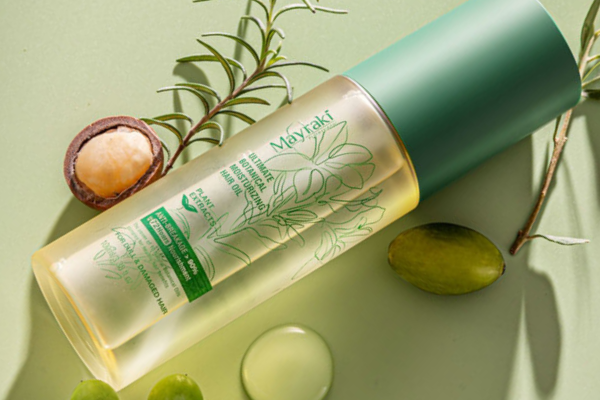
For sensitive scalps, use one to two drops on a damp scalp only if there is no redness or discomfort. Its lightweight texture makes it suitable for those who want nourishment without heaviness.
Overnight or Weekly Recovery Method
Once a week, an overnight oil treatment can be done on the hair only. Avoid using excessive amounts and protect the hair from friction while sleeping to prevent further dryness or breakage.
Cold-Weather Protection Tips
Use soft scarves or bonnets to reduce friction when outdoors. Limit heat styling during winter and schedule heat-free days to allow the scalp to recover naturally.
Common Mistakes to Avoid
Many people assume that more oil equals better results. Over-oiling, especially on sensitive scalps, can clog pores and cause irritation. Avoid applying oil to an overheated or inflamed scalp, and always remember to hydrate first before sealing with oil.
Pro Tips for Thick Hair and Sensitive Scalps in Winter
Routines are more effective when hydration comes before oil application. Choose multi-use botanical oils to avoid product overload. Most importantly, pay attention to how your hair and scalp respond. Remember, consistency and gentle care are the keys to successful recovery.\
Recovery Is Essential
Recovering thick hair after heat styling doesn’t have to be complicated. With a well-balanced botanical hair oil routine, it’s possible to restore softness, moisture, and scalp comfort even during winter. Using gentle, versatile products like Mayraki Ultimate Botanical Moisturizing Hair Oil can support recovery from winter heat without compromising sensitive scalp comfort. With consistency and the right approach, healthier and more manageable hair is achievable long-term.