


Dry Scalp Winter Remedies
Jan 01, 2026 | By Edss Tolentino
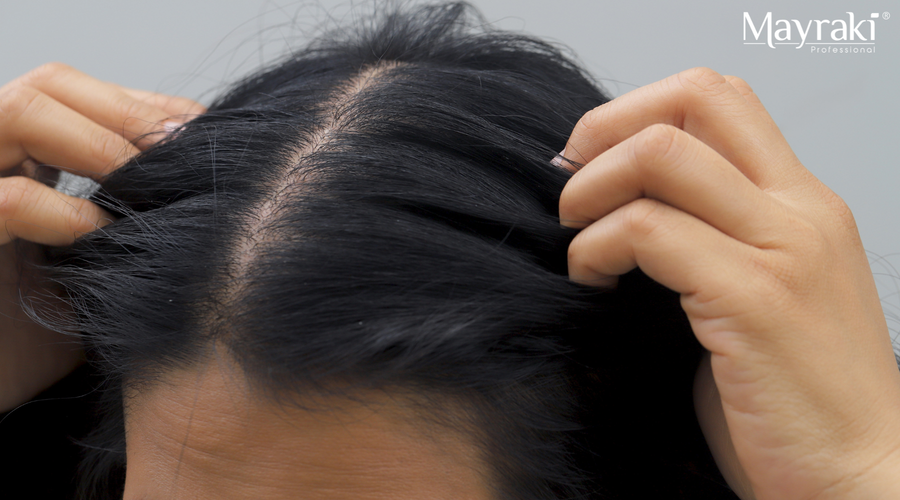
A dry, tight, and itchy scalp is one of the most common cold-season struggles. If you've experienced it, you know how fast winter can throw your hair routine off balance. That’s exactly why exploring effective dry scalp winter remedies is important. You can keep your scalp nourished and comfortable all winter with the right care and a few smart seasonal routine adjustments. Remember that when your scalp is healthy, your hair naturally follows with better growth. Let’s break down what actually works and why your scalp deserves just as much attention as your hair.
Why Does Winter Cause Dry Scalp?
Winter might look cozy from the outside but your scalp is struggling. If you wondered why dry scalp in winter is so common, it really comes down to how the season quietly disrupts your skin’s natural balance. The combination of cold air outdoors, dry indoor heating, and low humidity can cause dry and itchy scalp.
When temperatures drop, so does the moisture in the air. Cold air is naturally drier, and when you’re out and about, that dryness literally wicks moisture away from your scalp. As a result the skin becomes less elastic and natural scalp oils evaporate faster.
Another culprit for dry scalp is indoor heating. Heaters drastically reduce indoor humidity, which means the air inside your home or office starts pulling moisture from your skin as well. But with the right routine, you can restore comfort, reduce flakes, and keep your scalp balanced all season long. Use a moisturizing scalp treatment winter formula at least once a week. Then choose hair products that protect natural scalp oils instead of stripping them. Plus, add a weekly scalp moisturizing mask to your routine.
Symptoms Difference: Dry Scalp vs. Dandruff
During winter, it’s easy to panic the moment you spot flakes. But not all flakes are dandruff. In fact, most people experience dry scalp in winter. Understanding the difference helps you choose the right winter scalp care instead of treating the wrong problem.
Signs of Dry Scalp
If your scalp feels uncomfortable, tight, or itchy, there’s a good chance it’s dryness, not dandruff. Dryness happens when your scalp loses too much moisture, especially in cold months. Common symptoms include:
- Itching and irritation
- Small, white, powdery flakes
- Tightness or sensitivity
- Lack of natural scalp oils
Signs of Dandruff
Dandruff is often confused with dry scalp, but it’s driven by different factors. The flakes tend to look and behave differently. Here’s how dandruff typically shows up:
- Larger, yellowish or oily flakes
- Greasy scalp
- Persistent itching
- Flakes stick to the hair or scalp
Winter Scalp Care
An effective winter scalp care isn’t complicated, it’s about protecting moisture, supporting your scalp barrier, and avoiding anything too harsh. If you want to stay ahead of dry scalp in winter and avoid that annoying snowstorm of flakes, these practical steps will keep your scalp comfortable and healthy all winter.
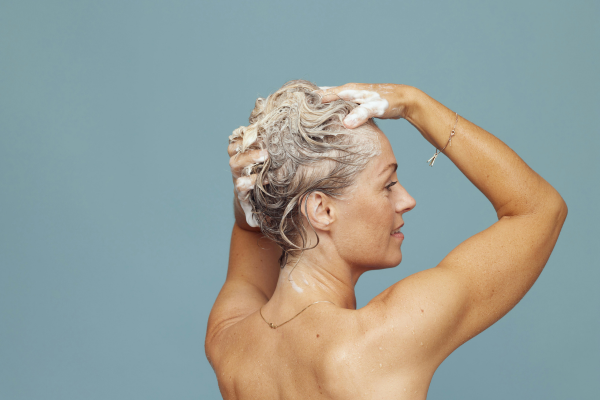
1. Switch to Sulfate-Free Products
Winter is absolutely not the time to use strong, stripping cleansers. They pull away the little moisture your scalp still has. Use a sulfate-free shampoo for scalp comfort. Pick products that contain hydrating ingredients that support scalp moisture retention. This helps maintain natural scalp oils instead of stripping them. Additionally, it strengthens the scalp barrier for long-term scalp barrier repair. This keeps flakes from forming and helps prevent dandruff in winter before it even starts.
2. Reduce Washing Frequency
Over-washing is one of the biggest flaky scalp causes of cold weather. Washing too often removes the natural oils your skin needs to stay balanced. By minimizing washing frequency it helps in better winter hair hydration. It will result in less irritation and fewer flare-ups. In addition, more consistent oil balance and improved scalp circulation and health.
3. Use Lukewarm Water
Hot water feels amazing in cold weather but your scalp disagrees. Heat strips moisture and weakens the skin barrier. Switching to lukewarm water helps protect essential natural scalp oils. Also, it reduces itchiness and irritation and improves overall scalp comfort.
4. Avoid Harsh Styling Products
Strong gels, alcohol-based sprays, and frequent exfoliation can worsen dryness and block progress. Choose gentler styling and skip products with alcohol or heavy fragrances. You should focus more on scalp hydration tips than heavy styling. Then prioritize healing and scalp barrier repair.
5. Add Deep Moisture Treatments
If you want real relief, you need to actively give your scalp more hydration. Weekly nourishing treatments can completely shift how your scalp behaves in cold months. Effective options like rich scalp moisturizing mask and scalp oil treatment using light, natural oils. Moreover, a soothing moisturizing scalp treatment winter formula can help a lot.
Natural Dry Scalp Winter Remedies
-
Warm Oil Scalp Massages
A warm oil massage is one of the most effective itchy scalp home remedies. Use nourishing, natural scalp oils such as coconut oil, olive oil, jojoba oil and almond oil. These oils help boost scalp moisture retention. They act as a soothing scalp oil treatment and helps prevent dandruff in winter by balancing oils.
-
Weekly Hydrating Masks
A nourishing mask can rescue a dehydrated scalp faster than any quick fix. This is essential when flaky scalp causes cold weather to start to kick in. Great options include a rich scalp moisturizing mask, DIY aloe-and-oil mask and a deep moisturizing scalp treatment winter formula.
-
Humidify Your Indoor Air
Most people don’t realize how much indoor heating scalp dryness affects their hair and skin. Dry indoor air steals moisture from your scalp just as fast as the cold wind outside. To add moisture back use a humidifier or leave bowls of water near heaters. Also, keep plants that naturally increase humidity.
-
Hydrate From the Inside Out
Your scalp isn’t just about what you apply, it’s also about what your body has to work with. To support internal hydration drink plenty of water. Eat omega-rich foods like salmon, chia seeds and flaxseed. Additionally, take vitamins A, E, and C and minerals.
-
Protect Your Scalp Outdoors
Protect your scalp from harsh elements by wearing breathable hats or scarves. Choosing natural fibers that won’t irritate the scalp. Plus avoid wearing tight and sweaty headwear. This helps maintain your scalp’s natural oils and prevents windburn dryness.
Wrap-Up
Winter isn’t gentle on your scalp, and that’s exactly why dry scalp winter remedies deserve real attention during the colder months. With moisture levels dropping and indoor heat constantly pulling hydration from your skin, your scalp needs extra care. You need consistent hydration, natural oils, and simple habits that support comfort and long-term scalp health.
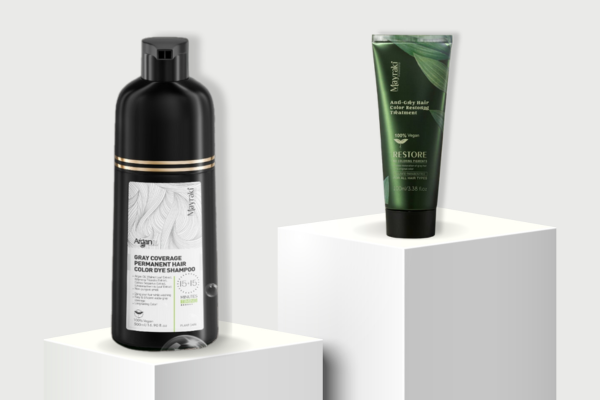
Try easing into a routine of weekly warm oil massages and hydrating masks this season, and see how much calmer and healthier your scalp feels. And if you’ve discovered your own go-to scalp care rituals, share your favorites or success stories. For added nourishment, explore Hair Mayraki’s sulfate-free, moisturizing scalp and hair care products to boost your winter routine even further.