


The Best Hair Growth Oils for Thickening Hair: What Works & How to Use Them
Dec 05, 2025 | By Maria Eliza Pineda

There are a lot of hair products out there with many different uses and specific issues that they can address. While the technology and science for hair care have significantly evolved over time, one thing has always been in the rotation of many hair care enthusiasts, and that is: hair oil. Hair oils are an age-old hair care secret that’s beloved by many because of their effectiveness, simplicity, affordability, and accessibility. You can literally find an amazing hair oil, probably just in your pantry right now. Consistent use of hair oils can lead to improved scalp health, strong hair strands, hair growth, enhanced shininess, better moisture, and many more benefits.
What Makes an Oil Effective for Thickening Hair
Stimulates Scalp Circulation
A healthy scalp is the foundation of thick, strong hair. Through scalp stimulation from regular oil massages, blood and nutrients circulate better and reach the follicles more effectively. This process supports hair growth stimulation and strengthens the roots to prevent hair loss.
Lightweight and Non-Clogging
It’s important to choose oils that are not too heavy or sticky. Thick oils can lead to pore-clogging, which restricts oxygen flow and hinders hair growth. For best results, opt for lightweight carrier oils that maintain scalp balance and cleanliness without buildup.
Rich in Fatty Acids and Antioxidants
Oils that are rich in fatty acids and antioxidants help retain moisture and provide protection to the hair. These nutrients nourish the hair follicles, preventing irritation and dryness on the scalp. They also minimize hair breakage, which is one of the leading causes of hair thinning.
Top Oils for Hair Growth and Thickness
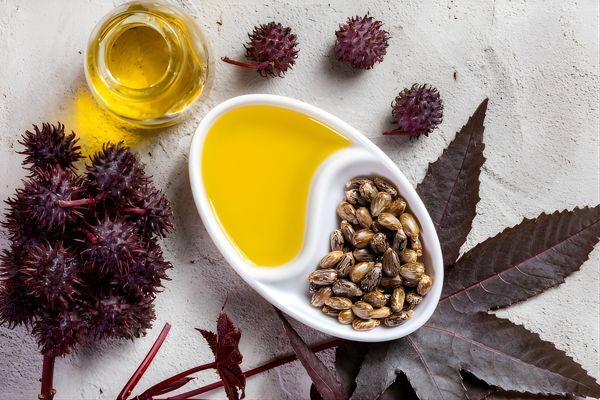
Castor Oil
Castor oil has long been used as a natural remedy for thinning hair. High in ricinoleic acid, it improves circulation in the scalp and protects hair from breakage and damage. Many hair growth serums and even lash serums contain castor oil because of its powerful hair growth properties.
Rosemary Essential Oil
Rosemary essential oil is one of the most effective essential oils for hair growth. It enhances blood flow in the scalp, ensuring that follicles receive adequate nutrients. Always dilute it with a carrier oil before applying to avoid irritation or sensitivity.
Peppermint Oil
Peppermint oil provides a natural cooling sensation while stimulating blood flow to the scalp. This process activates dormant follicles, encouraging new growth. Aside from its refreshing feel, it can also calm redness and itchiness on the scalp.
Jojoba Oil
Jojoba oil closely mimics the scalp’s natural sebum, making it an excellent oil for sebum regulation. It keeps the scalp moisturized without feeling greasy or heavy. It’s perfect for individuals with oily or combination scalps who want balanced hydration.
Coconut Oil
Coconut oil is a classic moisturizing oil that supports protein retention in hair strands. It protects against dryness and split ends while strengthening the cuticle layer. Regular use results in softer, shinier, and more resilient hair.
Argan Oil
Argan oil is packed with vitamin E and antioxidants, which protect the hair from environmental stress and damage. It’s lightweight, easy to absorb, and gives the hair a healthy shine. Many people use it as a finishing oil to achieve a sleek and polished look.
Olive and Avocado Oil
Olive oil and avocado oil are vitamin-rich and ideal for coarse, curly, or very dry hair. These oils deliver deep hydration that restores smoothness and elasticity. They work best as pre-shampoo treatments for intense nourishment and softness.
Sweet Almond and Grapeseed Oil for Lightweight Care
If you prefer something lighter, try sweet almond oil or grapeseed oil. Both are easily absorbed and don’t leave greasy buildup on the scalp. These are great for daily use, providing shine and smoothness without weighing the hair down.
How to Choose the Right Oil Based on Hair Type
For Fine Hair
For fine or thin hair, go for light oils like jojoba or grapeseed. These won’t weigh your hair down or make it look flat. Avoid thick oils like castor oil, as they can reduce volume and make the hair appear limp.
For Coarse or Dry Hair
Coconut oil and olive oil work best for coarse or dry hair types since they provide intense moisture. They also help reduce frizz and make strands softer and more manageable. These oils are excellent for deep conditioning treatments once or twice a week.
For Oily or Sensitive Scalps
If your scalp tends to get oily or sensitive, choose balancing oils such as jojoba or tea tree oil. These help maintain a clean scalp without stripping away essential moisture. Regular scalp massage also helps regulate oil production naturally.
How to Use Hair Growth Oils Effectively
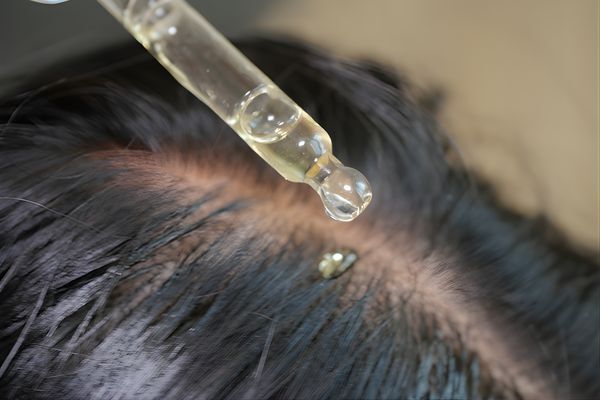
Preparing Before Application
Make sure your hair is clean and tangle-free before applying oil. You can slightly dampen your scalp to improve absorption. When using essential oils, always mix them with a carrier oil to prevent irritation or burning sensations.
Method of Application
Divide your hair into sections and gently massage the oil into the scalp using your fingertips. Spend at least 5 to 10 minutes massaging to stimulate blood flow and ensure the oil penetrates deeply. Besides promoting thickness, this process also helps relieve stress and tension in the scalp.
Duration and Frequency of Use
You can leave the oil on for 30 minutes to an hour before rinsing or use it as an overnight treatment. For most people, applying oil two to three times a week is ideal. Always follow up with a mild shampoo to remove excess residue and keep your scalp fresh.
Common Mistakes When Using Hair Oils
Using Too Much Oil
Applying too much oil can make your hair feel heavy and clog your pores. A small amount is enough to cover the scalp evenly and nourish the strands. More oil doesn’t mean better results; in fact, there can be such a thing as over-oiling the hair, which can make it very difficult to wash off and may weigh the hair down and make it feel greasy. Use just the right amount to saturate all your strands.
Not Rinsing Properly
Failing to rinse your hair thoroughly after oiling can lead to buildup, greasiness, and scalp irritation. Use a gentle, sulfate-free clarifying shampoo to remove all residues. A clean scalp allows for better oxygen flow and continuous hair growth.
Lack of Consistency
Hair thickening oils require consistency to show real results. Irregular use can slow progress or lead to disappointment. Treat oiling as a regular part of your weekly hair care routine to maximize its benefits.
Sample Routine for Thicker Hair
Weekly Routine Plan
On Mondays and Thursdays, apply a light oil such as jojoba or grapeseed and gently massage it into your scalp. On Saturdays, use a heavier oil like castor oil as an overnight treatment for deep nourishment. During Tuesdays and Fridays, rest your hair but continue light scalp massages to stimulate blood circulation naturally.
Hair Oils Are Timeless
Using the right hair growth oils for thickening is a natural and effective way to strengthen, thicken, and rejuvenate your hair. The key is to choose an oil suited to your hair type and apply it consistently. A super convenient and easy way to level up your hair care routine: just add in some hair oils!