


Patchy Areas Strategy for Busy People
Apr 07, 2026 | By Edss Tolentino
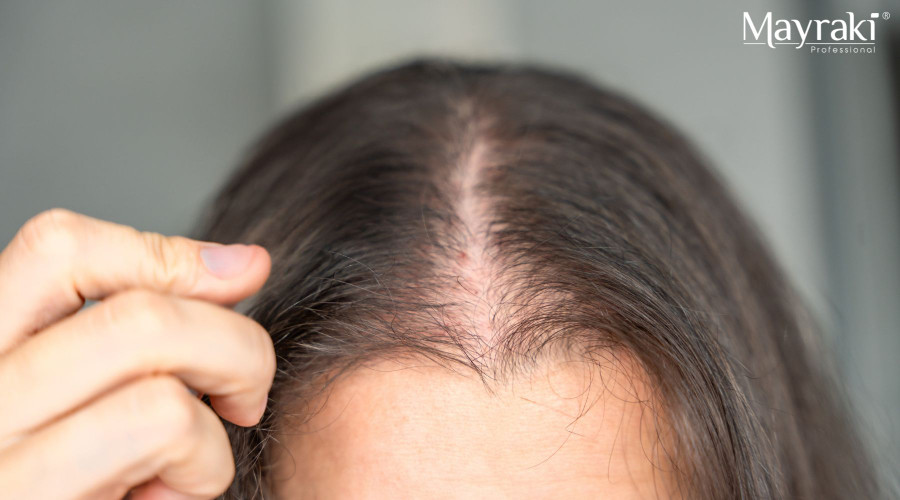
Spring has a way of exposing what winter quietly weakened. As seasonal shedding increases and humidity returns to the air, thin or uneven sections become more noticeable. Those shedding are more evident, especially around the hairline, crown, or temples. Add leftover dryness and breakage from colder months, and patchy areas can suddenly feel more obvious than before.
But busy professionals don’t need a long, complicated routine to fix it. They need a smart, targeted approach. A patchy areas strategy protein reconstructive treatment focuses directly on weakened strands. It helps rebuild internal strength while supporting overall hair structure. So you can improve resilience and appearance without adding extra stress to your schedule.
Why Patchy Areas Get Worse in Spring?
Patchy areas often seem worse in spring, not because damage suddenly appears but because seasonal changes make it more visible. Natural spring shedding can thin out already weak sections, which makes uneven density stand out more clearly. Rising humidity also causes fragile strands to swell and frizz. It exposes hidden breakage and rough texture.
On top of that, winter dryness may have already weakened internal hair bonds, leaving strands less resilient. Many people try to “cover” these spots with extra heat styling or tight hairstyles, but that only adds more structural stress. This is where a patchy areas strategy protein reconstructive treatment becomes important. It helps rebuild internal strength that reinforces vulnerable strands and reduces further breakage before patchy areas progress.
Spring Hair Repair Routine
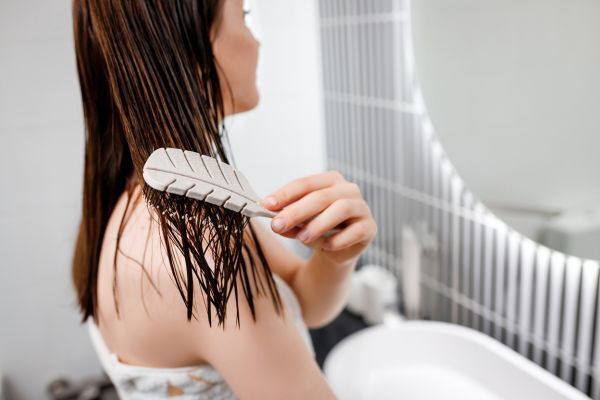
A smart spring hair repair routine doesn’t mean adding more products. It means applying the right steps in the right places. If your goal is to fix patchy thinning hair and prevent further weakness, follow this focused approach:
1. Assess Weak Zones
Before applying anything, examine your hair closely in natural light. Check the temples, crown, and hairline for visible thinning. Look for short, broken strands that signal structural weakness. This simple assessment forms the base of a targeted scalp repair strategy. Instead of treating your entire head the same way, you’ll know exactly where reinforcement is needed most.
2. Use a Targeted Protein Reconstructive Treatment
Once weak zones are identified, apply a protein reconstructive hair treatment 1 to 2 times per week. Focus the application on thinning or breakage-prone sections. Then allow enough processing time for internal bond support. A structured hair breakage recovery plan works best when protein is used strategically, not daily, but consistently. This helps repair damaged hair fibers and gradually restores hair strength fast without overloading strands.
3. Balance With Lightweight Hydration
After strengthening, flexibility matters. Spring humidity requires movement, not stiffness. Choose a lightweight strengthening treatment for spring rather than heavy masks. Avoid thick creams that flatten volume around patchy spots. Additionally, focus on hydration that supports elasticity. The goal is to strengthen weak hair strands while keeping them soft and touchable.
4. Minimize Mechanical Stress
Structural repair fails if daily habits continue causing damage. Loosen tight ponytails or braids and use a wide-tooth comb instead of aggressive brushing. For anyone following a busy lifestyle hair care routine, simplifying styling choices protects your progress without adding extra time.
5. Stay Consistent
Short, regular treatments outperform occasional heavy masks. Weekly reinforcement keeps internal bonds supported. Consistency is what transforms a routine into results. With a focused plan, your spring reset can strengthen vulnerable areas, support density, and rebuild resilience.
Mayraki Silky Smooth Proactive Hair Repairing Treatment

Mayraki Silky Smooth Proactive Hair Repairing Treatment is a professional-grade reconstructive formula created to reinforce weakened strands without leaving hair heavy or stiff. Its protein-rich composition works deep within the hair shaft to help repair damage from seasonal stress and frequent heat styling. Supporting stronger internal hair bonds helps reduce visible breakage, smoothing the cuticle layer, and improving overall flexibility. Additionally, it helps locks feel resilient instead of fragile.
The lightweight structure makes it especially suitable for spring, when humidity demands strength with movement. Integrated into a patchy areas strategy protein reconstructive treatment routine, it delivers focused structural repair while maintaining natural softness. Moreover, it makes an efficient, no-complication solution for busy individuals who want noticeable improvement without extending their schedule.
Wrap-Up
Patchy areas are not a sign to overhaul everything. They're a signal to be more intentional. Instead of piling on products or spending extra time styling, focus on precision. A consistent patchy areas strategy protein reconstructive treatment helps reinforce weakened strands exactly where support is needed. It allows structure to improve gradually and naturally.
Spring offers the perfect opportunity to reset with lighter products, smarter habits, and steady repair. Commit to targeted strength for a few weeks, stay patient with the process, and let a healthier structure, not temporary styling tricks, rebuild your confidence.